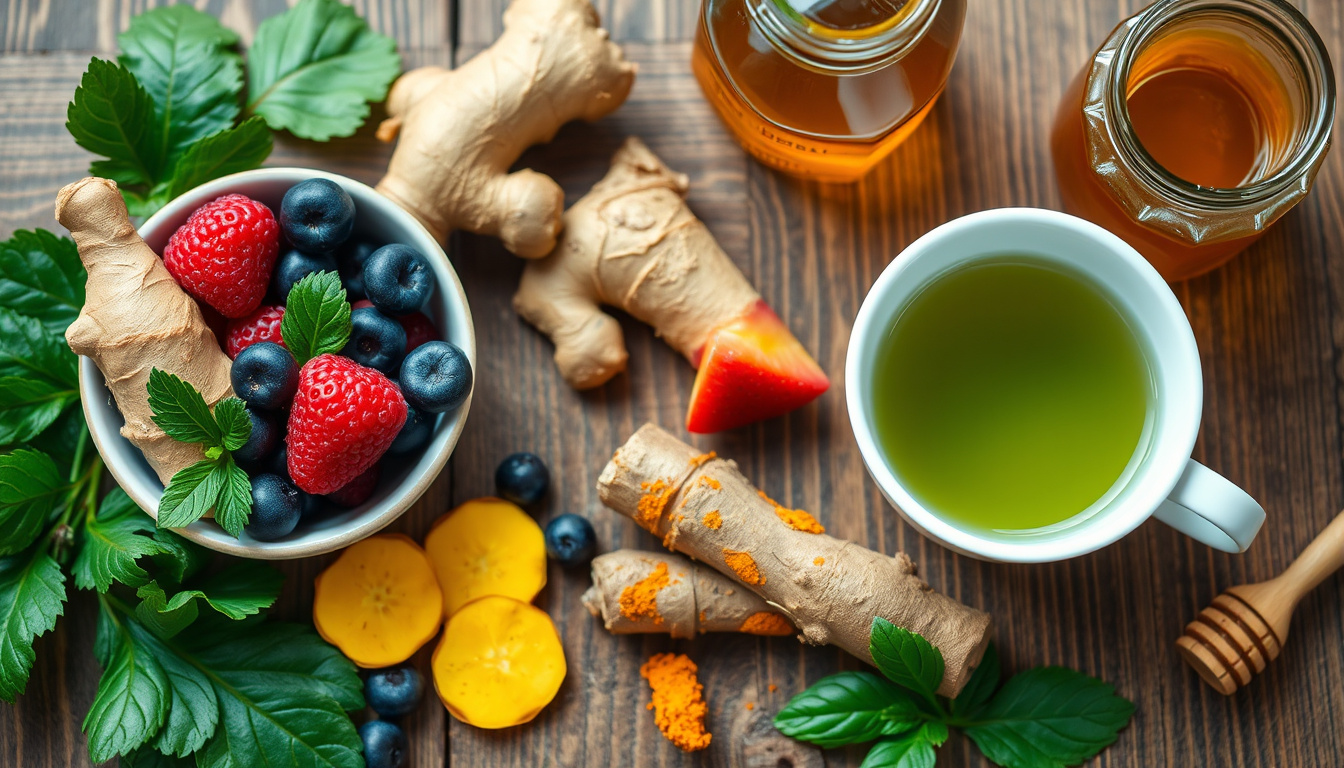
You’ve probably felt it as a morning ache that won’t loosen, an afternoon fog, a blood test you didn’t expect to fail. Chronic inflammation doesn’t announce itself loudly; it shows up in C-reactive protein (CRP) and in symptoms you’ve learned to explain away. The useful truth is that the levers which move those markers are ordinary daily choices. Here’s the evidence-based plan — built from randomized trials, not single-food hype.
U.S. adults with a chronic disease: about 6 in 10, many tied to chronic inflammation (CDC) ·
Diet-change CRP effect: fiber-rich anti-inflammatory eating may lower CRP within 3–6 weeks in intervention studies ·
Fastest proven lever: removing ultra-processed foods and added sugar for 2–3 weeks ·
Exercise dose: about 30–40 minutes of moderate activity most days ·
Sleep and CRP: under 6 hours is consistently associated with higher CRP
Quick snapshot
- A Mediterranean-style diet lowered hs-CRP and IL-6 in a randomized trial of 180 adults with metabolic syndrome (JAMA (peer-reviewed trial)).
- A meta-analysis of 33 randomized trials linked Mediterranean diets to lower hs-CRP, IL-6, and IL-17 (Nutrition Reviews (meta-analysis)).
- In a PREDIMED analysis of 285 participants, Mediterranean-diet groups showed lower hs-CRP after three years (PREDIMED analysis (NIH open access)).
- An umbrella review rated the randomized evidence for CRP-lowering diets as weak in overall quality (umbrella review (PubMed/NIH)).
- The same meta-analysis found no significant effect on standard CRP, IL-10, or TNF-alpha for the Mediterranean diet (Nutrition Reviews meta-analysis). (umbrella review (PubMed/NIH))
- Exactly which supplement formula, dose, or herb works best is still not settled by head-to-head trials. (umbrella review (PubMed/NIH))
- The 2021 PREDIMED analysis compared two Mediterranean diets — extra-virgin olive oil and nuts — against a low-fat diet, and both lowered hs-CRP at the three-year mark (PREDIMED analysis, NIH open access).
- Acute inflammation can clear in days; chronic inflammation usually needs weeks to months of consistency.
- A 2025 evidence synthesis concluded Mediterranean and vegetarian patterns may improve low-grade inflammation in adults with at least one chronic condition (2025 evidence synthesis (NIH open access)).
- The path forward: sustain the pattern, then test — marker changes show up in weeks to months, not hours. (2025 evidence synthesis (NIH open access))
Six signals, one pattern: the levers that actually move inflammation markers are the unglamorous ones — food patterns, movement, and sleep.
| Signal | What the evidence says |
|---|---|
| CRP marker | C-reactive protein is the most commonly measured blood marker of systemic inflammation. |
| CDC chronic disease figure | 6 in 10 U.S. adults have a chronic disease, many linked to chronic inflammation. |
| Fiber effect | Getting fiber from foods lowers CRP more than fiber supplements. |
| Mediterranean diet evidence | The Mediterranean diet is the most widely studied anti-inflammatory eating pattern. |
| Exercise dose | Moderate activity most days of the week is associated with lower inflammatory markers. |
| Sleep link | Short sleep under 6 hours is consistently associated with higher CRP. |
The pattern is worth stating plainly: the strongest evidence points to a repeated Mediterranean-style pattern, and the other levers — steps, sleep, fiber — compound it.
What is the root cause of inflammation?
Ask five clinicians where inflammation comes from and you’ll get five answers that all end at the same place: it depends on the person. That’s because inflammation is a process, not a single disease.
Acute vs. chronic inflammation: what is the difference?
- Acute inflammation is a short-lived immune response — the redness around a cut, the heat of an infected throat, the swelling after a sprain. It protects the body and usually fades in days.
- Chronic inflammation persists for months or years, sometimes at a low level, and can contribute to heart disease, diabetes, and arthritis.
The heart-disease link is why diet trials exist in the first place. PREDIMED, a large randomized study, enrolled nearly 7,500 people at high cardiovascular risk to test whether Mediterranean eating could reduce that risk (Proceedings of the Nutrition Society (PREDIMED researchers)).
Common triggers behind stubborn inflammation
- Excess abdominal fat
- A diet heavy in ultra-processed food and added sugar
- Chronic stress and poor sleep
- Smoking and heavy alcohol use
- Infections, autoimmune conditions, and other medical drivers
Notice what’s missing: a single villain. Your neighbor’s CRP might be driven by sleep apnea; yours might be driven by an evening bag of chips. That’s why a clinician’s workup — including a C-reactive protein test — beats any generic protocol.
“Root cause” is a puzzle, not a pill. Removing the triggers you can actually measure — food, sleep, stress, weight — is the closest thing to a root-cause treatment that lifestyle medicine offers.
The implication: stop hunting for one hidden villain and start removing the triggers you can control. That is the root-cause work, and it is more reliable than any single food or supplement.
What are 5 signs your body has inflammation?
Inflammation is easier to feel than to see. These five signs show up in doctors’ offices constantly, though none of them is proof on its own.
Visible and internal signs to take seriously
- Persistent fatigue — tired even after a full night of sleep
- Joint pain or stiffness — especially in the morning, often with warmth
- Skin and digestive issues — flare-ups, bloating, or gut discomfort
- Brain fog — trouble concentrating that used to come easily
- Recurring fever or swollen lymph nodes — in some cases
Subtle clues can include gum disease, persistent belly fat, and the kind of achiness you’ve started calling normal. Inflamed joints often feel warm and stiff after waking.
None of these prove inflammation by itself. The standard first check is a blood test for high-sensitivity C-reactive protein (hs-CRP), which is also the marker most diet-inflammation research tracks.
The same five signs can come from thyroid disease, sleep apnea, depression, or an autoimmune condition. Treat this list as a reason to get tested — not as a self-diagnosis.
The catch: your body can be inflamed without hurting, and it can hurt without being inflamed. The symptoms are the signal to measure, and the measurement is what should guide treatment.
What are the 5 worst foods for inflammation?
The phrase “worst foods” sounds like a diet-culture scare list, but the evidence is genuinely consistent: the same offenders show up across trials that measure inflammatory markers.
Foods that can raise CRP and fuel inflammation
- Sugary drinks and sweets
- Ultra-processed snacks and fast food
- Refined grains — white bread, white pasta, pastries
- Processed meats — bacon, sausage, deli meats
- Fried foods and excess vegetable oils
These foods are not on the list because of one bad molecule. They replace the vegetables, fiber, and healthy fats your immune system runs on. In a randomized trial of 180 adults with metabolic syndrome, switching to a Mediterranean-style diet lowered both hs-CRP and IL-6 compared with a control diet (JAMA peer-reviewed trial).
How to swap them without feeling deprived
- Sugary drink → sparkling water with lemon, or green tea
- White bread → whole grains or legumes
- Bacon at breakfast → smoked salmon or walnuts
- Fried chicken → oven-roasted chicken with olive oil and herbs
- Chips → nuts, seeds, or fruit
Cooking method matters as much as the food itself. Frying and charring produce advanced glycation end-products that can promote inflammation; steaming, roasting, and gentle grilling keep the same food in its anti-inflammatory column.
These are the foods engineered to be cheap, shelf-stable, and craveable. Removing them is not a willpower test — it’s a supply-chain problem, solved by buying a different grocery list.
The pattern: the worst foods are the ones that displace anti-inflammatory foods. Cut them first, and you’re not losing treats — you’re making room for the foods that actually lower CRP.
What foods flush out inflammation?
Nothing “flushes” inflammation the way a drain cleaner flushes a pipe. But the right foods measurably shift the balance of inflammatory markers.
Fruits, vegetables, fiber, and healthy fats that can help
- Tomatoes, leafy greens, berries, and citrus
- Extra-virgin olive oil
- Fatty fish — salmon, sardines, mackerel — for omega-3s
- Nuts, seeds, beans, and whole grains for fiber
Fiber deserves special attention: getting it from foods lowers CRP more than fiber supplements do. The Mediterranean diet — the most widely studied anti-inflammatory pattern — is essentially this list turned into a daily habit (Proceedings of the Nutrition Society, PREDIMED research).
Building a one-day anti-inflammatory menu
- Breakfast: oatmeal with berries, walnuts, and green tea
- Lunch: leafy green salad with chickpeas, tomatoes, olive oil, and grilled salmon
- Snack: apple with almond butter
- Dinner: roasted vegetables with chicken or lentils, drizzled with olive oil
Evidence-backed beverage choices
- Green tea — catechins linked to lower inflammatory markers
- Water — dehydration adds stress; hydration is a quiet anti-inflammatory tool
- Coffee — for most people, no consistent link to higher CRP; watch the sugar and cream
- Alcohol — excess increases inflammation; less is more
No drink “kills” inflammation. The win is replacement: swap sugary drinks for green tea or water and you remove one of the 5 worst offenders while adding a mild ally.
A single “anti-inflammatory smoothie” will not move your CRP. A week of real food — vegetables, fish, olive oil, fiber — will, because the pattern is the active ingredient.
The pattern: the foods with the most evidence are plants, fiber, and fatty fish. That is the Mediterranean diet in everyday form — not a rulebook, a grocery list.
What is the strongest natural anti-inflammatory?
“Strongest” is a marketing word, not a scientific one. The honest answer depends on whether you mean strongest compound, strongest consistency, or strongest evidence — and those are three different things.
Foods vs. spices vs. supplements: what the evidence actually says
- Omega-3 fatty acids — the most studied natural option for lowering inflammatory markers
- Curcumin (turmeric) — shows trial effects on markers, but absorption is the problem
- Ginger — commonly cited, more modest evidence
- Whole dietary pattern — the only natural anti-inflammatory tested at scale
When researchers ranked dietary patterns by randomized-trial evidence for lowering circulating CRP, the Mediterranean diet came out on top (umbrella review, PubMed/NIH). That’s a combination of foods — plants, fish, olive oil, fiber — not a single spice.
Which 3 supplements fight chronic inflammation?
- Omega-3 fatty acids — strongest evidence for lowering inflammatory markers
- Curcumin/turmeric — look for piperine or enhanced-absorption formulas
- Ginger — supportive, with more modest evidence
Even the biggest studies put their weight behind the pattern, not the pill. PREDIMED — a multicenter, randomized five-year trial — tested Mediterranean diets against a low-fat control for primary cardiovascular prevention (Proceedings of the Nutrition Society, PREDIMED researchers). Supplements support a healthy diet; they don’t replace it.
Curcumin’s bioavailability is the classic trap: cheap turmeric capsules can pass through without meaningful absorption. Omega-3 dosing matters too. Quality, not quantity, separates the trials from the tinctures — and interactions with blood thinners are a real reason to ask a clinician first.
What does traditional Chinese medicine use for inflammation?
- Herbs like turmeric/curcumin, ginger, licorice root, and Chinese skullcap appear in traditional formulas
- TCM treats inflammation through individualized formulas, not one universal herb
- Clinical evidence varies widely by herb — and interactions with prescribed drugs are real
Traditional Chinese medicine’s individualized approach is a useful corrective to the magic-food mindset. The downside: individualized formulas are hard to standardize in trials, which is why the evidence base is thinner than the marketing.
How long does it take to clear inflammation from your body?
Timelines are the most evaded question in health writing, so here is the honest version in three parts.
Expected timeline with diet and lifestyle changes
- Acute inflammation can resolve in days as the trigger clears.
- Chronic inflammation usually needs weeks to months of consistent change.
- CRP can jump quickly in response to an infection, but falls slowly with dietary patterns.
- Intervention studies show measurable marker changes from 6 to 12 weeks.
In the meta-analysis, IL-6 reductions were stronger in interventions shorter than 12 weeks (Nutrition Reviews meta-analysis) — so the early weeks are not wasted. At the other end, sustained Mediterranean eating kept hs-CRP lower at three years in the PREDIMED analysis.
Expect two different clocks: a symptoms clock (some people feel changes in the first week) and a lab clock (marker shifts usually show up in the 6-to-12-week window). Don’t re-test CRP after three days and panic.
The implication: consistency beats intensity. A week of perfect eating does less than two months of good eating.
What is the fastest way to lower inflammation in the body?
If you need one answer: remove the biggest triggers today, not gradually.
Practical first-step protocol
- Today: cut sugary drinks, alcohol, and ultra-processed snacks.
- Tomorrow: build every plate from the anti-inflammatory list — vegetables, fiber, fatty fish, olive oil.
- Daily: walk 30–40 minutes.
- Nightly: protect 7–9 hours of sleep.
- For 48–72 hours: run the worst-food removal test and watch what symptoms do.
This is the remove-before-you-add principle: the fastest natural approach is subtraction, not supplementation. For a useful negative result, the umbrella review found no clear CRP-lowering association for intermittent fasting, ketogenic, Nordic, or Paleolithic patterns (umbrella review, PubMed/NIH).
When medical treatment is the fastest and safest route
- Acute, severe inflammation may need anti-inflammatory medication — faster than lifestyle change.
- Unexplained weight loss, persistent fever, severe joint swelling, or chest pain require a clinician now.
- Lifestyle changes support prescribed care; they do not replace it.
For a gout flare, an infected joint, or an autoimmune flare, the fastest route is medical. Natural protocols are the durable route, not the emergency brake.
The fastest natural protocol is the shortest list: cut the worst foods, walk daily, sleep seven hours, and repeat for two weeks. Speed comes from removing, not adding.
The catch: “fast” depends on your definition. Symptom relief can start in days; lab-confirmed change takes weeks. Both are faster than a year of ignoring it.
The first 48 hours are a diagnostic test, not a punishment — the result tells you which lever matters most.
A step-by-step plan to reduce inflammation naturally
This is the seven-step sequence that pulls the whole article into a week you can actually execute.
- Do the 48-to-72-hour removal test. Cut sugary drinks, alcohol, and ultra-processed foods completely for two to three days. This is the fastest way to learn how much of your symptoms are food-driven.
- Build plates the Mediterranean way. Vegetables, fruits, whole grains, beans, nuts, olive oil, and fatty fish — the pattern whose randomized trials moved hs-CRP and IL-6 in the meta-analyses above.
- Walk 30–40 minutes a day. Moderate activity most days is associated with lower inflammatory markers, and it works even when your diet is imperfect.
- Protect 7–9 hours of sleep. Short sleep is consistently associated with higher CRP. Sleep is not the reward after the work; it is the work.
- Shorten stress cycles daily. Ten-minute walks, breathing breaks, and real lunch breaks break the stress-inflammation loop.
- Reintroduce foods one at a time. After two weeks, add back one food at a time and note joint pain, energy, digestion, and skin.
- Test, don’t guess. If symptoms persist past three to four weeks, ask a clinician for hs-CRP and a workup — self-diagnosed inflammation is still a reason to see a doctor.
What this means: the plan works because it removes what raises inflammation and adds what lowers it at the same time. You don’t need perfection — you need the first 72 hours.
The sequence works because it stacks small commitments; the marker changes are the scoreboard.
A realistic timeline for lowering inflammation
Five time markers, one pattern: early wins in symptoms, later wins in lab markers — if you stay consistent.
| Period | What to expect |
|---|---|
| First 24–48 hours | Stop sugary drinks, alcohol, and obvious ultra-processed foods; prioritize sleep and hydration. |
| Week 1 | Whole-food Mediterranean-style meals plus 30-minute daily walks; some people notice symptom shifts. |
| Weeks 2–3 | In some intervention studies, CRP and other markers start to drop; energy and joint pain may improve. |
| Weeks 6–12 | Most dietary and lifestyle interventions show measurable effects on inflammatory markers in this window. |
| 3 months and beyond | Keep food, sleep, stress, exercise, and social connection consistent to hold the gains. |
The takeaway: if your CRP isn’t different at six to eight weeks, the question is not “is this diet real?” — it’s “what’s the actual driver?” That’s when medical testing matters most.
What’s confirmed vs. what’s still unclear
Confirmed facts
- Mediterranean-style diets reduce hs-CRP and IL-6 in randomized trials (JAMA peer-reviewed trial).
- The Mediterranean diet has the strongest randomized-trial evidence among examined dietary patterns for lowering circulating CRP (umbrella review, PubMed/NIH).
- Fiber from food lowers CRP more than fiber supplements (Arthritis Foundation).
- Regular physical activity is associated with lower inflammatory markers.
- Short sleep is consistently associated with higher CRP.
What’s unclear
- The umbrella review rated the overall evidence quality for CRP-lowering diets as weak — even for the Mediterranean pattern.
- No significant effect appeared for standard CRP, IL-10, or TNF-alpha across the 33 Mediterranean-diet trials.
- Whether curcumin, ginger, or omega-3 is “strongest” is not settled by head-to-head trials.
- Exact timelines for CRP reduction are highly individual and depend on the cause.
- Traditional Chinese medicine herbs need more rigorous evidence; individualized formulas are hard to standardize in studies.
- Supplement quality and bioavailability vary widely by formula, and the category is not tightly regulated.
What this means: the gap between confirmed and unclear is exactly where marketing slides in. Any product that claims to “kill inflammation” in days is selling the unclear half as if it were the confirmed half.
What experts keep saying about anti-inflammatory eating
An anti-inflammatory diet is a pattern, not a single superfood. The person who eats Mediterranean-style for months moves more markers than the person who chases one exotic berry.
Harvard Health editorial, nutrition desk
How you cook matters as much as what you cook. Steaming, roasting, and gentle grilling keep food in its anti-inflammatory column; deep-frying and charring push it the other way.
Johns Hopkins Medicine clinician, integrative medicine
Fiber is one of the most underrated anti-inflammatory levers. In arthritis patients, higher fiber intake is tied to lower CRP — and whole foods beat fiber supplements for that effect.
Arthritis Foundation expert, nutrition guidance
Lowering inflammation is not one switch. Diet, hydration, underlying health conditions, stress, sleep, and exposure all feed the same system. You fix the whole system or you chase symptoms.
MD Anderson Wellness expert
What this means: the experts disagree about details — which marker, which dose, which herb — but they converge on the same operating system: pattern over pill, consistency over intensity, and a doctor’s test over a guess.
Putting it together
Every marker you can measure — hs-CRP, IL-6, IL-17 — responds more to a consistent eating pattern than to a single berry, spice, or supplement. The people who move their numbers are the ones who cut the worst foods first, protected sleep, moved daily, and gave the plan weeks instead of weekends. For anyone staring at a high CRP lab result, the choice is clear: run the first 48 hours of this protocol tomorrow morning, or keep the current pattern and let the next lab result deliver the same message with a louder tone.
This article explains dietary and lifestyle approaches to lowering inflammatory markers, illustrated with randomized-trial evidence. It is educational content, not a prescription. Persistent symptoms, autoimmune disease, or a high hs-CRP result should be evaluated by a clinician.
What this means: the pattern, not the perfect day, is what moves the next lab result.
Related reading
- Is Peanut Butter Healthy? — a food-by-food look at how spreads, fats, and calories fit into an anti-inflammatory diet.
- Weight Loss Surgery NZ — what bariatric surgery means for inflammatory markers, metabolic health, and long-term weight.
The connection: both topics feed the same inflammation levers — food quality and metabolic health.
cambridge.org, pubmed.ncbi.nlm.nih.gov, pubmed.ncbi.nlm.nih.gov
Frequently asked questions
Can anti-inflammatory foods replace prescription medication?
No. Anti-inflammatory medications such as NSAIDs are strong, direct reducers of inflammation, and for acute or severe cases they work far faster than food. Sustained lifestyle change is the most durable natural approach, but it complements prescribed care — it does not replace it. Never stop or change medication without your clinician.
Is it better to eat more fruits or vegetables for inflammation?
Eat both, with vegetables leading. The anti-inflammatory pattern that shows up in trials is built on a wide variety of plants, not one category. Vegetables generally deliver more fiber and less sugar per serving than fruit, which makes them the bigger everyday lever.
Can dehydration make inflammation worse?
Dehydration adds physical stress to the body, and stress supports inflammation. Water won’t “flush out” inflammation, but replacing sugary drinks with water removes one of the worst inflammatory foods while supporting normal circulation and kidney function.
Does coffee increase inflammation?
For most people, plain coffee is not consistently linked to higher CRP. The usual culprit is what goes into the cup — sugar, flavored syrups, and heavy cream. Green tea remains the most evidence-backed anti-inflammatory swap.
Are eggs inflammatory for most people?
For most people, no — eggs do not consistently raise inflammatory markers. How you cook them matters more than the egg itself: boiled or poached eggs fit an anti-inflammatory pattern; eggs fried in butter with bacon do not.
Can losing weight reduce inflammation even if my diet stays average?
Yes, because excess abdominal fat is itself a source of inflammatory signals. Energy-restricted diets appeared as potential CRP-lowering patterns in the umbrella review, alongside vegetarian and Mediterranean patterns — the point is losing the fat that fuels the fire.
How accurate is a CRP test for everyday inflammation?
High-sensitivity CRP (hs-CRP) is the standard blood marker for systemic inflammation, and it is useful for tracking patterns over time. A single high reading can be caused by an infection or injury, so clinicians look at trends, not one number. Symptoms plus repeat testing give the real picture.
Should I take omega-3 and curcumin together?
Many people take both, and there is no blanket rule against it, but both can affect bleeding risk, especially with blood thinners or before surgery. Curcumin’s absorption depends heavily on the formula. Check with a pharmacist or clinician first, and treat supplements as support — not the main event.