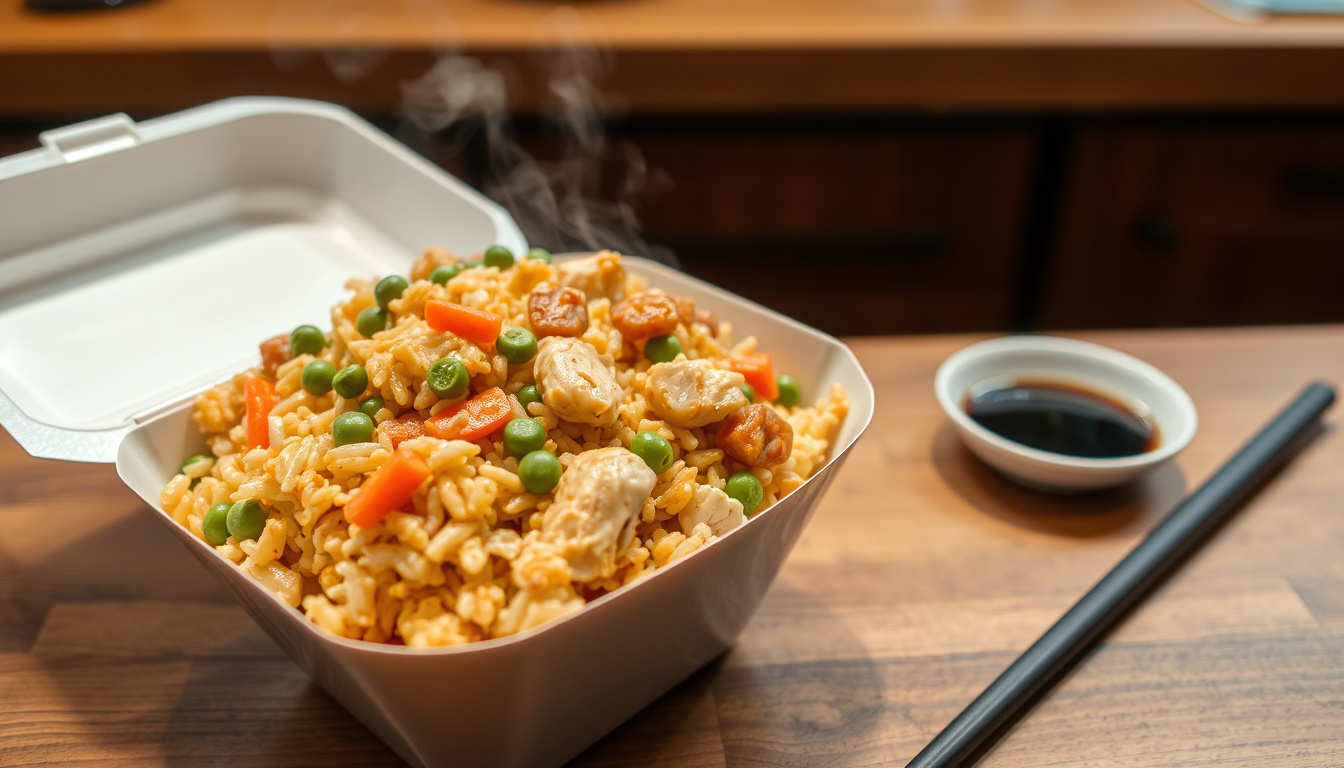
There’s a reason Thursday night chicken fried rice from your local Chinese takeaway tastes so much better than anything you’ve managed at home — and it has nothing to do with a secret family recipe or a special wok only restaurant chefs can use. The gap between takeaway and home-cooked fried rice is entirely bridgeable with a few New Zealand supermarket ingredients and techniques you can practise tonight. This guide answers the five questions home cooks in NZ ask most, cutting out the guesswork with step‑by‑step process and ingredient swaps that actually work in a Kiwi kitchen.
Average cook time for chicken fried rice: 15 minutes · Calories per serving (typical NZ home recipe): 420–480 kcal · Number of common mistakes that ruin fried rice: 9 · Essential umami ingredient: 1 tablespoon of oyster sauce
Snapshot: What You Need to Know
- Day-old rice is required for non-sticky fried rice (RecipeTin Eats).
- Oyster sauce and soy sauce are the primary umami sources (VJ Cooks).
- High heat and constant tossing create wok hei. (Andy Cooks)
- The exact soy-to-oyster sauce ratio varies by recipe; start with 2:1 and adjust.
- Whether MSG is needed for authentic takeaway flavour is debated — some recipes include it, some don’t.
- Prep: 10 minutes
- Cooking: 15 minutes
- Total: 25 minutes
- Rice must be cooked and chilled at least 4 hours before cooking.
- Try the RecipeTin Eats chicken fried rice for an Australian/NZ-tested method.
- Build your base using the New World easy egg fried rice formula.
1. How to Make Chicken Fried Rice Like Chinese Takeaway?
Essential ingredients for NZ kitchens
Every major New Zealand supermarket — Countdown, New World, Pak‘nSave — stocks the five building blocks of takeaway-style fried rice: jasmine rice, chicken breast, frozen mixed vegetables (peas, corn, carrot), eggs, and a bottle of soy sauce. The two wildcards are oyster sauce (find it in the international aisle) and sesame oil (usually near the vinegar). The Kiwi Country Girl’s version uses exactly these staples plus garlic and spring onion (The Kiwi Country Girl).
Step‑by‑step process
- Prep the rice — Cook rice at least 4 hours ahead. Spread on a tray, refrigerate uncovered until cold and slightly dried. This is the single most important step.
- Sear the chicken — Heat 1 tbsp oil in a wok or large skillet over high heat. Cook 500 g diced chicken breast until golden. Remove and set aside.
- Cook aromatics — In the same pan, sauté 2 minced garlic cloves and a small knob of grated ginger for 30 seconds.
- Stir-fry vegetables — Add 2 cups mixed frozen veg (thawed) and toss for 2 minutes. Push to the side and scramble 3 eggs in the cleared space.
- Add the rice — Add 4 cups cold rice and break up any clumps. Toss vigorously for 2 minutes.
- Sauce and finish — Drizzle with 2 tbsp soy sauce, 1 tbsp oyster sauce, and 1 tsp sesame oil. Toss until evenly coloured. Return chicken, mix, and serve immediately.
What Is the Secret to a Good Fried Rice?
Day‑old rice and wok hei
Freshly cooked rice contains too much moisture — when it hits the hot wok, the grains release steam and clump together. RecipeTin Eats explicitly calls for rice that has been refrigerated for at least 4 hours. Chilling dehydrates the surface of each grain, allowing it to sear instead of steam when it contacts the hot wok. Andy Cooks describes the visual cue: you should see wisps of steam and hear an aggressive sizzle. Without that heat, you get steamed rice, not fried rice.
“Freshly cooked rice is the source of most fried‑rice fails. It releases too much starch and turns the dish into a mushy porridge.” — RecipeTin Eats (full article)
What Gives Chinese Fried Rice Its Flavour?
The umami trio
Takeaway fried rice gets its savoury depth from three ingredients that work in combination: soy sauce (salty, fermented umami), oyster sauce (thick, sweet-savoury glaze), and sesame oil (nutty aroma). Most NZ recipes — including The Kiwi Country Girl’s and Food In A Minute — use this exact trio. Some also add sweet chilli sauce for a mild tang, as seen in VJ Cooks’ recipe.
MSG: to add or not to add?
MSG is a hot topic. Andy Cooks lists it as optional but says it gives “that extra kick you get from a takeout.” The Heart Foundation NZ version deliberately avoids it, relying on extra vegetables and reduced‑sodium soy instead. Your choice — the oyster sauce already provides natural glutamates.
What to Add to Chicken Fried Rice to Make It Taste Better?
Aromatics that build layers
Garlic is non‑negotiable. Ginger is less common but adds warmth — Otaika Valley Free Range Eggs includes it in their fried rice. Spring onion sliced thin is the classic garnish. Some NZ recipes, like Food In A Minute, also add a splash of sweet chilli sauce on top.
Protein and vegetable upgrades
- Bacon — RecipeTin Eats adds bacon bits for a smoky layer.
- Extra egg — Scramble a third egg into the rice for richness.
- Frozen peas and corn — thawn and drained first, or they’ll release water.
- Leftover roast chicken — works better than raw breast; it’s already seasoned.
The takeaway: ingredients are NZ‑standard. The technique — high heat, cooked‑then‑chilled rice, and a hot wok — is what separates takeaway from home‑cooked.
What Are Common Fried Rice Mistakes?
Mistake #1: Using freshly cooked rice
According to Food Republic, using fresh rice is the top mistake. The grains haven’t dried out, so they clump instead of staying separate. To fix this: cook rice the day before, spread it on a tray, and refrigerate uncovered for at least 4 hours.
Mistake #2: Overcrowding the pan
Andy Cooks warns that too many ingredients in the wok drops the temperature and turns the fry into a steam. Work in batches if your pan is small. The goal is each grain of rice to hit the hot surface directly.
Mistake #3: Not draining frozen vegetables
Frozen peas and corn release water as they defrost. VJ Cooks recommends pre‑cooking them in a microwave for 1 minute and patting dry before adding to the wok (source).
Ingredients Checklist (NZ Supermarket‑Friendly)
- 500 g chicken breast or thigh
- 3 cups cold, day‑old jasmine rice
- 1 cup frozen peas and corn (any NZ brand)
- 2 eggs
- 2 tbsp soy sauce
- 1 tbsp oyster sauce
- 1 tsp sesame oil
- 2 cloves garlic, minced
- 1 tbsp vegetable or canola oil
- Optional: 2 spring onions sliced, 1 tsp chilli oil, 1 tsp sugar
What’s the Best Rice for Chicken Fried Rice?
Long‑grain jasmine rice is the standard because it stays fluffy and separate after chilling. Short‑grain sushi rice also works if rinsed and dried thoroughly. Avoid medium‑grain varieties; they release too much starch. Andy Cooks recommends using day‑old rice, but if you’re in a rush, spread freshly cooked rice on a baking tray and refrigerate for 20 minutes before using.
Can I Use Frozen Vegetables?
Yes — and New World’s Easy Egg Fried Rice recipe proves they work perfectly. The trick is to thaw them first or stir‑fry them quickly in a dry pan to evaporate excess moisture before adding the rice. That way you avoid soggy results.
How to Customise Your NZ Chicken Fried Rice
| Ingredient | Effect | Where to buy in NZ |
|---|---|---|
| Oyster sauce | Adds deep umami, the secret to takeaway flavour | Asian section of any supermarket |
| Sesame oil | Finishing drizzle for nutty aroma | Grocery aisle (most NZ supermarkets) |
| Sweet chilli sauce | Adds mild heat and sweetness, as used in Food In A Minute recipe | Standard condiment section |
| MSG (optional) | Boosts savouriness; debated but effective | Asian grocers or online |
What Is the Secret to Restaurant‑Style Fried Rice?
The answer is heat and timing. Andy Cooks emphasises that the wok must be smoking hot before anything touches it. The grains of rice should sizzle on contact. You’re not there to stir — you’re there to toss. If you don’t have a wok, a large non‑stick skillet on the highest burner setting works, as long as you don’t crowd the pan.
Why home cooks miss the mark
- Using freshly cooked rice → releases starch → sticky clumps.
- Not pre‑cooking protein → chicken releases moisture → rice steams instead of fries.
- Adding too much sauce at once → rice becomes heavy and wet.
- Turning the heat down to prevent burning → you lose the wok hei (char‑roasted flavour).
Common Fried Rice Mistakes (and How to Avoid Them)
Based on the Food Republic article, these are the top errors home cooks make:
- Using wet rice — day‑old, spread‑on‑a‑tray rice is best.
- Low heat — you need high heat to create wok hei (the smoky char).
- Overcrowding — cook in small batches to maintain temperature.
- No oyster sauce — it’s the backbone of savoury flavour; don’t leave it out.
“I used to make gummy fried rice because I used fresh rice and low heat. Once I switched to day‑old rice and cranked the burner, everything changed.” — Home cook comment, cited in RecipeTin Eats
How to Make Chicken Fried Rice (Step‑by‑Step)
- Prepare your rice. Cook jasmine rice the day before. Spread it on a tray, cover with cling film, and refrigerate overnight. If cooking same‑day, spread hot rice on a tray and freeze for 15 minutes to cool and dry quickly.
- Prep aromatics and protein. Dice 500 g chicken breast into 2‑cm cubes. Mince 2 cloves garlic and grate a 1‑cm knob of ginger. Chop 3 spring onions.
- Cook the chicken. Heat 1 tbsp oil in a wok over high heat. Sear chicken until golden, about 3 minutes. Remove and keep warm.
- Scramble eggs. Push chicken to one side, crack 2 eggs into the empty space, let them set for 30 seconds, then scramble and mix into the chicken.
- Stir‑fry vegetables. Add 1 cup frozen peas and carrots. Stir for 1 minute.
- Add rice. Break cold rice into the wok with your hands, then toss to combine. Cook for 2 minutes, pressing rice against pan.
- Sauce and finish. Add 2 tbsp soy sauce, 1 tbsp oyster sauce, and 1 tsp sesame oil. Toss until every grain is coated. Return chicken and fold through. Garnish with sliced spring onion.
FAQs
Can I use freshly cooked rice for fried rice?
Not ideally. Fresh rice is too sticky. If you have no day‑old rice, spread hot rice on a baking sheet and refrigerate uncovered for 15–20 minutes before cooking. That surface drying helps.
What type of rice is best?
Jasmine rice is widely available in NZ supermarkets and gives the right fluffiness. Long‑grain white rice also works. Avoid risotto or sushi rice — they’re too starchy.
Can I skip oyster sauce?
You can substitute with hoisin sauce, or double the soy sauce plus add ½ teaspoon sugar. You’ll lose some umami depth, but it still works. Some NZ cooks use a splash of Worcestershire sauce in a pinch.
How do I reheat leftover fried rice?
The best method is a hot wok with a tiny splash of water or oil. Toss until steaming. The microwave will make it mushy. New World’s rice guide recommends a brief steam over boiling water for leftover grains.
Can I make this vegetarian?
Yes — replace chicken with firm tofu or extra vegetables. The rest of the technique stays exactly the same. Oyster sauce is vegetarian‑friendly (check labels; some varieties contain anchovy extract).
Why does my fried rice taste bland?
Most likely you aren’t using enough sauce or you’re skipping the oyster sauce. The combination of soy sauce, oyster sauce, and a pinch of sugar creates a balanced savoury‑sweet profile. Also, make sure your pan is hot enough to char the edges of the rice.
Can I Make Chicken Fried Rice in a Regular Pan?
Yes. A large non‑stick skillet or stainless‑steel pan works. The trick is to preheat it on high for a full minute before adding oil, then let the oil shimmer before adding ingredients. If you have a flat‑bottomed wok that fits on your stove burner, even better.
Is Chicken Fried Rice a Healthy Dinner?
The Heart Foundation NZ version proves it can be. Their recipe uses reduced‑sodium soy sauce, extra vegetables, less oil, and no MSG. One serve comes to roughly 420–480 kcal — comparable to a standard restaurant portion but with significantly less sodium and fat. The real calorie trap isn’t the rice — it’s the extra oil and sauce added at the table.
Related reading: Easy Chicken Vegetable Fried Rice – Food In A Minute (NZ) · The Kiwi Country Girl chicken fried rice
therecipecritic.com, kitchensanctuary.com, recipetineats.com, facebook.com, lifemadesimplebakes.com
FAQs: Chicken Fried Rice in New Zealand
Can I use freshly cooked rice?
Technically yes, but the result will be stickier. If you’re in a hurry, spread hot rice on a tray and pop it in the freezer for 10 minutes. It won’t be as good as day‑old, but it’s passable.
What is the best rice for fried rice?
Long‑grain jasmine rice is standard in NZ recipes because it stays fluffy. Basmati also works but its fragrance can compete with the savoury sauce.
How do I stop fried rice from being greasy?
Don’t add extra oil after cooking. The residual oil from searing the chicken is usually enough. If you need more, add it before the rice, not after. Greasy rice usually means too much oil added at the end.
Can I use leftover rotisserie chicken?
Absolutely — this is a common NZ shortcut. Shred the meat and add it after the rice has been stir‑fried for 1 minute. Because it’s already cooked, you just need to heat it through.
Is this recipe freezer‑friendly?
Yes. Cool the fried rice completely, portion into airtight containers, and freeze for up to 3 months. Reheat in a wok or microwave, adding a teaspoon of water to restore moisture.
Can I make it without oyster sauce?
Yes — replace with hoisin sauce (sweeter) or a splash of fish sauce (more pungent). The VJ Cooks recipe uses sweet chilli sauce as a substitute for part of the oyster sauce.
Three NZ‑Approved Chicken Fried Rice Variations
1. Classic Takeaway Style
The Kiwi Country Girl’s version uses chicken breast, eggs, frozen peas, and the standard soy‑oyster‑sesame trio. Cook at the highest heat your stove can manage.
2. Heart‑Smart Version
The Heart Foundation NZ recipe uses reduced‑sodium soy, extra carrots and capsicum, and only 1 tablespoon of oil per serving. It cuts sodium by nearly 40% while keeping flavour through more vegetables (source).
3. Quick Weeknight Hack
Use leftover roast chicken from the supermarket rotisserie. Shred it, skip the chicken‑cooking step, and add it just before the sauce. Dinner is on the table in 15 minutes flat.
What Gives Chinese Fried Rice Its Characteristic Flavour?
The short answer: a combination of soy sauce, oyster sauce, and a very hot wok. The longer answer involves the Maillard reaction — the browning of sugars and proteins that happens only above 180 °C. That’s why most home stovetops struggle to replicate it; they simply don’t push the pan hot enough.
Andy Cooks recommends a cast‑iron wok or a stainless‑steel pan for best results. Non‑stick coatings begin