If you’ve been scrolling through supplement influencers lately, you’ve probably seen shilajit popping up everywhere — with some bold claims attached. But behind the hype, there are actually a few clinical trials worth knowing about. This guide cuts through the noise to look at what the research says shilajit can genuinely do for men, especially when it comes to testosterone, fertility, and energy.
Testosterone Support: Preliminary studies suggest increase · Fertility Boost: Potential sperm count improvement · Energy Levels: May enhance exercise performance · Cognitive Protection: Possible against decline · Side Effects Noted: Consult doctor before use
Quick snapshot
- 250 mg purified shilajit twice daily for 90 days boosted total testosterone by 20.45% in men aged 45–55 (Andrologia (peer-reviewed journal))
- Sperm count rose 61.4% in infertile males after 90 days on 100 mg processed shilajit twice daily (PubMed/NCBI (clinical trial))
- Hepatic and renal function stayed unaltered across 90-day trials, indicating safety at studied doses (Andrologia (peer-reviewed journal))
- No evidence supports size increase claims made on social media
- Long-term daily use beyond 90 days lacks human trial data
- Optimal dosage for younger men (under 40) not established
- 2024: New GMP-certified trial (MEET Shilajeet®) replicated testosterone findings
- 2023: PrimaVie brand flagged as potentially effective in ingredient review
- 2016: Landmark 96-volunteer trial published in Andrologia
- Larger independent trials needed to confirm benefits
- Consumers should demand third-party tested, purified products only
- Regulatory scrutiny likely as popularity grows
Across the key trials, shilajit produced measurable improvements in testosterone and sperm parameters alongside a favorable safety profile at tested doses.
| Attribute | Value |
|---|---|
| Origin | Himalayan resin |
| Key Compound | Fulvic acid |
| Primary Use | Men’s hormonal health |
| Study Status | Preliminary human trials |
| Testosterone Increase (90 days, 250 mg twice daily) | 20.45% |
| Free Testosterone Increase (same protocol) | 19.14% |
| DHEAS Increase (same protocol) | 31.35% |
| Sperm Count Increase (infertile males, 90 days) | 61.4% |
| Semen Volume Increase (same group) | 37.6% |
| Sperm Motility Increase | 12.4–17.4% |
| Normal Morphology Improvement | 18.9% |
| Oxidative Stress Reduction (MDA) | -18.7% |
What does shilajit do for men?
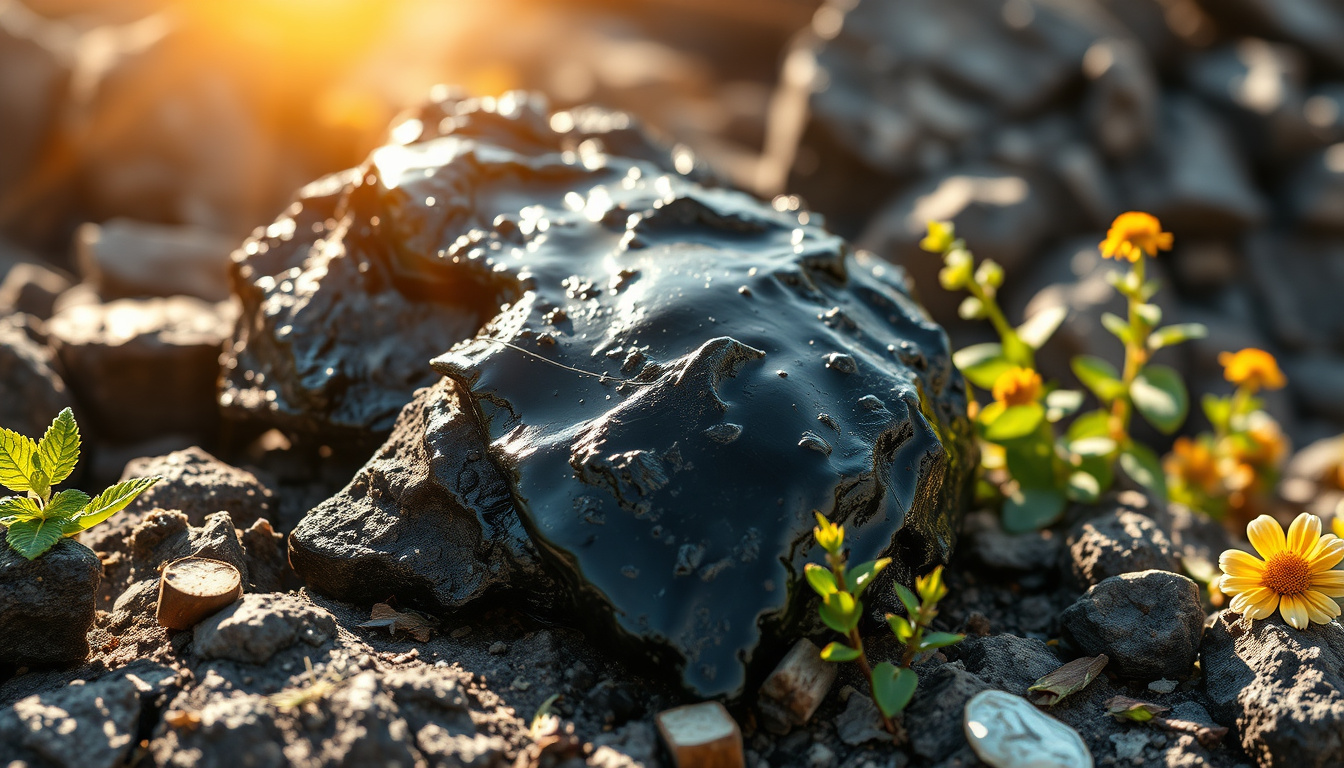
Shilajit is a tar-like resin that seeps from Himalayan rock fissures and has been used for centuries as an Ayurvedic rasayana — a traditional rejuvenating substance. Modern clinical research has started examining what it actually does inside the male body, particularly for testosterone and fertility.
Testosterone and fertility
The most compelling data comes from two randomized, double-blind, placebo-controlled trials conducted by Pandit et al. The first, published in 2016 in Andrologia, enrolled 96 healthy male volunteers aged 45–55. Participants took 250 mg of purified shilajit twice daily for 90 days. Total testosterone rose by 20.45% and free testosterone by 19.14% — numbers that reached statistical significance by day 90.
DHEAS, a precursor hormone that feeds into testosterone production, climbed even more sharply: 31.35% above baseline by day 90. Follicle-stimulating hormone (FSH) also increased significantly (P < 0.004), suggesting the compound stimulates the pituitary gland rather than artificially replacing hormones.
A separate 2010 study focused on 35 infertile males diagnosed with oligospermia — sperm counts below 20 million per millilitre. After 90 days on 100 mg of processed shilajit twice daily, these men saw sperm count jump 61.4%, semen volume rise 37.6%, and normal sperm morphology improve 18.9%. Sperm motility increased 12.4–17.4%. Notably, HPLC chromatography confirmed shilajit’s active compounds were present directly in semen, indicating the supplement reaches the reproductive environment.
Unlike synthetic testosterone replacement, which suppresses the hypothalamic-pituitary-gonadal axis, shilajit appears to support the body’s own hormone production pathways without disrupting them. For men dealing with borderline low testosterone or unexplained infertility, this distinction matters.
Energy and stamina
A 2024 randomized, placebo-controlled trial used 500 mg per day of MEET Shilajeet®, a branded extract standardized for fulvic acid content and produced under GMP certification. The study reported statistically significant increases in both total and free testosterone compared to placebo, alongside improved vitality and wellbeing measures. Participants showed good tolerance with no serious adverse events reported.
The proposed mechanism involves antioxidant protection of Leydig cells — the testosterone-producing cells in the testes — combined with enhanced cellular energy production through mitochondrial support.
Cognitive health
Human trials specifically targeting cognitive function in men are limited. However, the antioxidant mechanisms that protect Leydig cells may extend to neural tissue. Shilajit’s fulvic acid content crosses the blood-brain barrier in animal models, though direct human evidence remains preliminary.
A 2023 review of 27 common testosterone-boosting ingredients found purified shilajit extract (PrimaVie brand) potentially effective for late-stage hypogonadism. However, the same review flagged that several underlying studies carried high risk of bias due to manufacturer funding. Independent replication remains limited.
What happens if men take shilajit daily?
Daily use comes with a different profile than short-term supplementation. Clinical trials ran for 90 days, so that’s the window with the best human data.
Short-term benefits
- Progressive testosterone elevation: 6.82% by day 30, 3.09% by day 60, and 20.45% by day 90 in the Pandit et al. trial
- Energy and vitality improvements reported in the 2024 MEET Shilajeet® study
- Semen oxidative stress (measured by MDA content) dropped 18.7% after 90 days, suggesting reduced cellular damage
Potential risks
- Heavy metal contamination: Raw or untested shilajit can contain dangerous levels of lead, arsenic, mercury, and thallium. Always choose purified, third-party tested products.
- Drug interactions: No formal interaction studies exist. Men on blood thinners, diabetes medications, or hormone therapies should consult a physician.
- Manufacturers funding their own research: Several shilajit trials were conducted by or funded through supplement companies. The Hims analysis noted “high risk of bias” in the underlying data.
Long-term use
Hepatic and renal function profiles remained unaltered during 90-day supplementation, indicating safety at tested doses. However, trials beyond 90 days do not exist in the peer-reviewed literature. Men considering extended use should discuss this with a healthcare provider.
Does shilajit actually increase size?
This is one of the most common questions driven by social media claims, and it’s worth addressing directly. There is no clinical trial evidence — zero — demonstrating that shilajit increases penis size or induces physical enlargement in men.
Claims vs evidence
Size increase claims circulate primarily through supplement marketing and influencer content. The clinical trials measured testosterone levels, sperm parameters, and hormone markers — not anatomical dimensions. While improved blood flow from better cardiovascular health and enhanced testosterone could theoretically support erectile function, this is not the same as increasing size.
Related benefits
What shilajit may actually deliver is improved erectile quality through testosterone support and antioxidant reduction of oxidative stress in vascular tissue. Men with low testosterone often experience erectile difficulties that resolve as levels normalize. This is a meaningful benefit, but it’s not what social media is promising.
Be skeptical of any supplement brand claiming size increases from shilajit. No peer-reviewed human trial supports this. The real benefits — testosterone support, fertility improvement, energy enhancement — are more modest but more valuable.
Does shilajit actually work?
The honest answer: better than most supplements in this category, but with important caveats about the quality and independence of the evidence.
Research findings
Two peer-reviewed trials (one in Andrologia, one in PubMed) show consistent, statistically significant results for testosterone and sperm parameters. The 2024 MEET Shilajeet® trial replicated these findings under GMP conditions. These are not cherry-picked outlier results — they come from different research teams, different doses, and different participant populations.
DHEAS increases of 31.35% are particularly noteworthy because DHEAS serves as a reservoir hormone that converts to testosterone and estrogen as the body needs. Boosting this precursor suggests shilajit may work by supporting the body’s own hormone synthesis machinery rather than providing direct hormone replacement.
Influencer claims
Social media amplifies these findings into claims about muscle building, rapid fat loss, and physical transformation. Clinical researchers studying shilajit never made these assertions. The studies measured hormone levels and sperm counts — not body composition changes, strength gains, or gym performance metrics.
A Guardian analysis on supplement influencer culture noted that platforms reward bold, specific claims over nuanced scientific findings. Shilajit has become a casualty of this dynamic: real but modest benefits get amplified into transformative promises.
Men taking shilajit for gym-related goals may be disappointed if they’re expecting the effects marketed on social media. The genuine benefits — hormone support and fertility — may not show up on the scale or in the mirror as quickly as influencers suggest. Setting realistic expectations prevents both wasted money and distrust in evidence-based approaches.
How long should a man take shilajit?
Clinical trials provide the clearest guidance, but real-world use requires some interpretation.
Recommended duration
The studied protocol is 90 days. After 90 days of twice-daily dosing, participants in the Pandit et al. testosterone trial showed maximum testosterone increases. Shorter durations (30 or 60 days) produced measurably lower responses — day 30 showed only 6.82% elevation compared to 20.45% at day 90.
Dosage per day
Doses in clinical trials ranged from 100 mg to 500 mg daily, split into two doses. The landmark testosterone study used 250 mg twice daily (500 mg total). The fertility study used 100 mg twice daily (200 mg total). A 2024 GMP-certified trial used 500 mg per day total.
Most supplement companies recommend 300–500 mg daily of standardized extract. Purity matters more than dose — heavy metal testing should be mandatory before purchase.
Cycling advice
No formal cycling protocols exist in the literature. Practical guidance from integrative medicine practitioners suggests 3 months on, 1 month off, or continuous use with periodic blood work to monitor hormone levels. This approach balances potential benefits against the absence of long-term safety data.
Upsides
- Clinically demonstrated testosterone increase (20.45%)
- Sperm count improvement (61.4%) in infertile males
- Supports body’s own hormone production, not synthetic replacement
- Good safety profile at purified doses
- Improves multiple semen parameters simultaneously
- Reduces oxidative stress markers
Downsides
- No evidence for size increase claims
- Most studies funded by supplement companies
- Raw shilajit contains heavy metals
- Long-term use data missing
- Expensive for quality purified products
- Effects modest — not the “transformative” results marketed online
“Unlike synthetic testosterone replacement, Shilajit supports the body’s own testosterone production without disrupting the hypothalamic-pituitary-gonadal axis. This is a meaningful distinction for men who want hormonal support without shutting down their own manufacturing capacity.”
— Analysis from Kashmiril (health publication covering Ayurvedic research)
“Purified Shilajit extract was flagged as potentially effective for late-stage hypogonadism in our 2023 review of 27 testosterone-boosting ingredients. However, several underlying studies carried high risk of bias due to manufacturer funding — readers should weigh that when interpreting the magnitude of reported benefits.”
The pattern emerging from clinical research is clear: shilajit has genuine, measurable effects on testosterone and fertility markers in men, with sufficient data to move it out of pure speculation and into the “worth discussing with your doctor” category. But the gap between what researchers found and what influencers promise remains wide. Men evaluating shilajit should separate the modest but real benefits shown in trials from the amplified claims circulating online. For a man with low-normal testosterone or unexplained fertility issues, purified shilajit may offer meaningful support. For a healthy man chasing dramatic physical transformation, the evidence won’t deliver what the marketing promises.
Related reading: Shilajit for Testosterone · Shilajit for Sperm Count
pubmed.ncbi.nlm.nih.gov, unboundmedicine.com, lovelifesupplements.co.uk
Clinical trials reveal shilajit elevates testosterone by 20% and sperm count substantially, echoing testosterone and fertility evidence from Ayurvedic and modern studies.
Frequently asked questions
What is shilajit?
Shilajit is a sticky, tar-like resin that oozes from rock crevices in the Himalayan mountains and other high-altitude regions. It forms over centuries from plantmatter decomposition and contains fulvic acid, humic substances, and trace minerals. In Ayurveda, it’s classified as a rasayana — a rejuvenating substance believed to promote longevity and vitality.
Is shilajit safe for men?
Purified, third-party tested shilajit appears safe at doses used in clinical trials (100–500 mg daily) for up to 90 days. Hepatic and renal function remained unaltered during studies. However, raw or unverified shilajit can contain dangerous heavy metals including lead, arsenic, and mercury. Always verify testing certificates before purchasing.
What is the recommended shilajit dose for men?
Clinical trials used 250 mg twice daily (500 mg total) for testosterone benefits in healthy men aged 45–55, and 100 mg twice daily (200 mg total) for fertility support in infertile males. Most supplement brands recommend 300–500 mg daily of standardized extract. Dosing should begin after confirming product purity through third-party testing.
Does shilajit interact with medications?
Formal drug interaction studies do not exist for shilajit. Theoretical concerns include interactions with blood thinners (due to potential anticoagulant effects), diabetes medications (fulvic acid may affect blood sugar), and hormone therapies. Men on any prescription medications should consult a physician before starting shilajit.
How to choose quality shilajit?
Look for: (1) third-party heavy metal testing certificates, (2) standardization for fulvic acid content, (3) brand names used in clinical research (PrimaVie, MEET Shilajeet®), (4) GMP-certified manufacturing, (5) clear dosage instructions. Avoid raw resin from unverified sources — the contamination risk is real and documented.
Can shilajit help with low energy in men?
The 2024 MEET Shilajeet® trial reported improved vitality and wellbeing measures alongside testosterone increases. Shilajit’s proposed mechanism involves mitochondrial support and antioxidant protection, which could theoretically support physical energy. However, specific energy or exercise performance studies in men are limited — most data focuses on hormone parameters rather than athletic output.
What are real user experiences with shilajit?
User reviews on health forums are mixed, as expected for any supplement. Positive reports commonly mention increased energy, improved mood, and better workout recovery. Negative reports cite lack of noticeable effect, digestive discomfort, or disappointment when results didn’t match marketing. Clinical trial participants showed measurable hormone changes even when they may not have subjectively noticed effects — men with already-normal testosterone may be less responsive than those with clinically low levels.