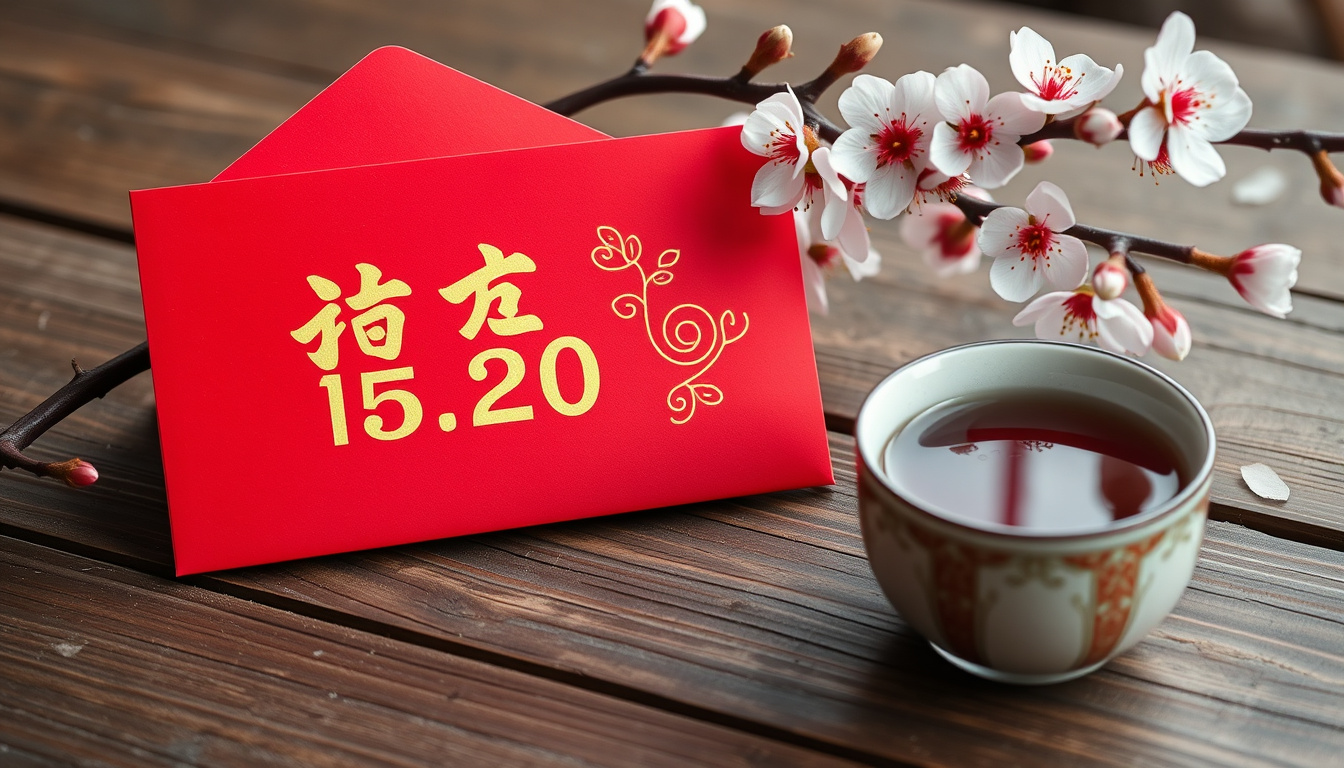
There’s a special thrill in finding the right words to say “I love you” in another language, and in Mandarin Chinese, the phrase is (wǒ ài nǐ) — but the cultural story extends far beyond these three characters. A single number—520—has become a digital shorthand for love, reshaping how millions express affection, and this guide unpacks the pronunciation, number codes, and cultural traditions so you can say it with confidence.
Most common translation: (wǒ ài nǐ) ·
Digital code for love: 520 ·
Internet Valentine’s Day: May 20 (520) ·
Alternate phrase: (wǒ xǐhuān nǐ) – I like you
Quick snapshot
- (wǒ ài nǐ) is the standard Mandarin phrase for “I love you” (Gurulango – Mandarin learning platform).
- 520 sounds like in Mandarin digit pronunciation (LingoAce – online Chinese learning platform).
- May 20 is celebrated as an unofficial romantic day in China (Interrose – flower delivery service).
- The exact origin of 520 slang is debated; some trace it to a 1990s online game, others to a chat room. (Mandarin Inn – Chinese language school)
- Whether is used as casually in Chinese as “I love you” in English is a matter of cultural nuance. (Mandarin Inn – Chinese language school)
- Some explainers note that 521 is also used, sometimes linked to (wǒ ài nín) for a more polite tone (Mandarin Inn – Chinese language school).
- Whether the popularity of 520 varies significantly between mainland China and other Mandarin-speaking regions such as Singapore or Malaysia is not fully documented. (Mandarin Inn – Chinese language school)
- 1990s: 520 emerges on Chinese internet forums.
- Early 2000s: Spreads via SMS and instant messaging.
- 2010s: May 20 becomes widely recognized as Internet Valentine’s Day.
- Present: Mainstream cultural reference in advertising and everyday texting.
- 520 continues to be used in digital communication and advertising. (CLI – Chinese Language Institute)
- Learners should understand both verbal and numeric expressions to navigate Chinese romance culture (CLI – Chinese Language Institute).
The key facts are organized in the table below:
| Label | Value |
|---|---|
| Standard phrase | (wǒ ài nǐ) |
| Digital code | 520 |
| Unlucky number | 444 |
| Internet Valentine’s Day | May 20 |
| Alternative: I like you | (wǒ xǐhuān nǐ) |
How do you say I love you in Chinese?
Pronunciation of (wǒ ài nǐ)
- The pinyin is wǒ ài nǐ, tones 3-4-3 (Gurulango – Mandarin learning platform).
- The characters: (wǒ, I/me), (ài, love), (nǐ, you) (Gurulango – Mandarin learning platform).
- Practice the tones separately to avoid mispronunciation — a flat tone on ài can change the meaning entirely.
Tones matter. Saying wǒ ài nǐ with incorrect tones can shift “love” to a word meaning “to obstruct” or worse. A YouTube pronunciation guide by a native speaker (user-generated) recommends repeating each tone slowly.
Alternative phrases for romantic feelings
- (wǒ ài nǐ) – direct “I love you,” reserved for deep commitment.
- (wǒ xǐhuān nǐ) – “I like you,” more common in early dating.
- (ài nǐ) – casual “love you,” often used in texting (Reddit community (user discussion)).
The implication: choosing the right phrase depends on the relationship stage and formality. is for deep commitment, while is safer for early romance.
Why is 520 I love you Chinese?
How 520 became a digital love code
Here’s how the digital code 520 breaks down:
| Digit | Mandarin Pronunciation | Association |
|---|---|---|
| 5 | wǔ | sounds like wǒ (I) |
| 2 | èr | sounds like ài (love) |
| 0 | líng | approximates nǐ (you) |
This mapping is widely cited by LingoAce (online Chinese learning platform) and Ninchanese (Chinese learning app). The slang is compared to “ILY” in English (Ninchanese).
The cultural significance of May 20
- May 20 (5/20) is celebrated as Chinese Internet Valentine’s Day (Interrose – flower delivery service; EGGSIST – cultural insights platform).
- The date is marked by gift-giving, social media posts, and romantic promotions (Interrose – flower delivery service).
- Some explainers note that 521 is also used, sometimes linked to (wǒ ài nín) for a more polite tone (Mandarin Inn – Chinese language school).
For learners, knowing 520 is essential for understanding Chinese digital communication, especially with younger generations. Not using it can make you seem out of touch.
The pattern: China has merged language and numbers into a unique romantic culture that bypasses traditional holidays.
How to reply wo ài ni?
Common replies in Chinese
- (wǒ yě ài nǐ) – “I love you too” (Reddit community discussion).
- (wǒ zhīdào) – “I know” (playful, less romantic).
- (me me da) – affectionate sound used in texting.
Cultural considerations when responding
- In formal contexts, avoid overly casual replies; a smile or a nod may be more appropriate.
- Chinese romantic communication often values implicit understanding over explicit verbal exchange.
The trade-off: directness vs. subtlety. While is perfectly fine among close partners, overusing direct replies can feel unnatural in more conservative settings.
What is “I am sorry” in China?
Key apology phrases in Mandarin
- (duìbuqǐ) – the standard apology.
- (bàoqiàn) – a more formal expression.
- (fēicháng bàoqiàn) – “very sorry.”
Cultural nuances of apologizing
- In Chinese culture, saving face matters; a public apology may be avoided in favor of a private one.
- Knowing when to apologize and how formally is as important as the words themselves.
The implication: apology phrases are straightforward, but their timing and context require cultural sensitivity.
What does 444 mean in Chinese?
Number associations with death
- The number 444 sounds like sǐ sǐ sǐ (death death death) and is widely considered unlucky.
- This superstition (tetraphobia) leads many Chinese people to avoid the number in phone numbers, license plates, and building floors.
Contrast with auspicious numbers
- While 444 is avoided, 520 (I love you) and 1314 (one life one forever) are romantic codes.
- The number 8 is lucky because it sounds like “prosperity.”
If you’re giving a gift or choosing a room number in China, avoid anything with 444. It can create an awkward or even offensive impression, even if unintentional.
The pattern: numbers are not neutral in Chinese culture — they carry strong emotional and social weight.
Steps to express love in Chinese
Step 1: Master the tones
- Practice the third tone for wǒ (falling then rising).
- Practice the fourth tone for ài (sharp fall).
- Practice the third tone for nǐ.
Step 2: Practice the full phrase
Here is the breakdown of the standard phrase:
| Character | Pinyin | Tone | Meaning |
|---|---|---|---|
| wǒ | 3 | I/me | |
| ài | 4 | love | |
| nǐ | 3 | you |
Step 3: Use 520 in texting
- Type 520 in a message to mean “I love you” without saying a word.
- Combine with other numbers: 5201314 means “I love you forever.”
The rise of 520: a timeline
- 1990s: 520 emerges on Chinese internet forums as a numeric code for “I love you.” LingoAce – online Chinese learning platform notes it gained traction in online chats.
- Early 2000s: The code spreads through SMS and instant messaging among younger users. EGGSIST – cultural insights platform describes this as the early adoption phase.
- 2010s: May 20 becomes widely recognized as Chinese Internet Valentine’s Day, with social media campaigns and commercial promotions (Interrose – flower delivery service).
- Present: 520 is a mainstream cultural reference, used in advertising, merchandise, and everyday texting. CLI (Chinese Language Institute) categorizes it as a modern internet-age practice, not a classical holiday.
What we know vs. what’s uncertain
Confirmed facts
- is the standard translation of “I love you” (Gurulango – Mandarin learning platform).
- 520 sounds like wǒ ài nǐ in Mandarin digit pronunciation (LingoAce – online Chinese learning platform).
- 444 is considered unlucky due to its phonetic resemblance to “death” (common cultural knowledge).
What’s unclear
- Exact origin of the 520 slang is debated; some trace it to a 1990s online game, others to a chat room.
- Whether is used as lightly in Chinese as in English is a matter of cultural nuance.
- Some explainers link 521 to (wǒ ài nín) for a more polite tone (Mandarin Inn – Chinese language school).
- Whether the popularity of 520 varies significantly between mainland China and other Mandarin-speaking regions such as Singapore or Malaysia is not fully documented.
Expert and community perspectives
“I love you in Chinese is said… that’s right! It’s wǒ ài nǐ!”
— Rocket Languages (Mandarin language learning platform), source
“So, = I love you, while = Love you. It would indeed sound more romantic and affectionate if you say the whole sentence.”
— Reddit user (r/ChineseLanguage), source
“The most appropriate way to say ‘I love you’ in Chinese is: I like you / I fancy you Wǒ xǐhuan nǐ”
— China Admissions blog (study abroad consultancy), source
These perspectives show that learners have multiple ways to express affection, and the choice depends on context and relationship stage — understanding this range makes your communication more effective and culturally appropriate.
instagram.com, eblcu.com, tiktok.com, randall-travel-award.missouri.edu
For a more detailed breakdown of the cultural nuances, check out this guide to saying I love you in Chinese.
Frequently asked questions
What is the difference between and ?
is a direct “I love you” used for deep romantic commitment, while means “I like you” and is more appropriate in early dating or casual affection.
Is 520 used in Taiwan and Hong Kong?
Yes, 520 is understood across Mandarin-speaking regions, including Taiwan and Hong Kong, though its prevalence may be slightly higher in mainland China due to its internet origin.
How do you say “I miss you” in Chinese?
(wǒ xiǎng nǐ) is the standard phrase. It can also mean “I think of you.”
What does 1314 mean in Chinese?
1314 sounds like (yīshēng yīshì) meaning “one life one forever,” often used with 520 to say “I love you forever.”
How do you say “I love you” in Cantonese?
In Cantonese, “I love you” is (ngo5 oi3 nei5). The pronunciation and tones differ from Mandarin.
Can I use to say “love you” in Chinese?
Yes, (ài nǐ) is a casual, shortened form used in texting and informal speech, much like “love you” in English.
What does 880 mean in Chinese number slang?
880 is not a standard romantic code. It may be used in other contexts but is not widely recognized like 520 or 1314.