Blog

  • 1 NZD to TRY – Current Rate and Historical Trends

    1 NZD to TRY – Current Rate and Historical Trends

    The exchange rate between the New Zealand Dollar and the Turkish Lira represents a notable pairing in global currency markets. As of recent data, 1 NZD converts to approximately 23.78 to 25.38 TRY depending on the provider, reflecting significant variation across different financial services. This rate has demonstrated considerable movement over the past year, with the New Zealand Dollar gaining roughly 16 percent against the Turkish Lira during that period.

    Understanding the dynamics between these two currencies requires examining multiple data sources, as rates differ between providers due to spreads, fees, and timing of quotes. For individuals or businesses engaged in currency conversion between New Zealand and Turkey, staying informed about these variations can make a meaningful difference in the value received.

    This analysis provides current rates, historical context, conversion methods, and the economic factors that influence the NZD/TRY pairing. Whether tracking investments, planning international transactions, or simply monitoring currency markets, this guide offers practical insights grounded in verified data.

    What is the current 1 NZD to TRY exchange rate?

    Exchange rates for the NZD/TRY pair vary across providers, with mid-market rates typically falling between 23.78 and 25.38 Turkish Lira per New Zealand Dollar. These differences stem from the spreads charged by banks, transfer services, and currency exchange platforms.

    Current Rate Range
    23.78 – 25.38 TRY
    24-Hour Change
    +0.25%
    Yearly Change
    +15.99%
    Mid-Market Rate
    23.78 TRY

    Live rates from major providers

    Individual providers publish slightly different rates based on their liquidity sources and fee structures. The following table shows indicative rates from several widely-used platforms, with timestamps reflecting when data was captured.

    Provider 1 NZD to TRY Inverse Rate Last Update
    Revolut 23.90 TRY 0.0418 NZD Recent
    OFX 24.50 TRY 0.0408 NZD Sep 13, 2025
    Wise 25.38 TRY 0.0394 NZD Recent
    Trading Economics 23.78 TRY 0.0421 NZD Daily
    Rate Variance Note

    The difference between the lowest (23.78 TRY) and highest (25.38 TRY) quoted rates represents approximately 6.7 percent variation. This underscores the importance of comparing providers before completing currency transactions.

    Key insights on the NZD/TRY pairing

    • The New Zealand Dollar has strengthened approximately 16 percent against the Turkish Lira over the past twelve months
    • Daily fluctuations typically range between 0.13 and 0.36 percent, though larger moves can occur during market volatility
    • The Turkish Lira’s historical depreciation against major currencies contributes significantly to the NZD’s gains
    • New Zealand’s commodity-linked economy and dairy export sector influence NZD valuation
    • Rate forecasts suggest the pair may trade near 24.10 TRY within one year according to some economic models
    • Interactive charts on platforms such as Xe and Investing.com allow users to examine longer-term trends across multiple timeframes

    Conversion amounts at a glance

    For practical reference, the following conversions illustrate how different New Zealand Dollar amounts translate using Revolut’s published rate of approximately 23.90 TRY per NZD.

    NZD Amount TRY Equivalent
    1 23.90
    10 239.03
    100 2,390.35
    1,000 23,903.50
    10,000 239,035.00

    How has the NZD to TRY rate changed historically?

    Examining historical data reveals a clear trend of the New Zealand Dollar appreciating against the Turkish Lira over extended periods. This movement reflects broader economic dynamics affecting both currencies rather than short-term market noise.

    Monthly progression throughout 2025

    Monthly average rates from OFX demonstrate gradual movement throughout 2025, with the pair starting lower and trending upward as the year progressed.

    Month Average NZD/TRY
    April 2025 22.24
    May 2025 23.03
    June 2025 23.78
    July 2025 24.14
    August 2025 24.13
    September 2025 24.36

    The overall 2025 average has ranged approximately between 23.61 and 25.25 TRY per NZD, indicating consistent positioning above the levels seen in early 2025 when rates hovered around 20 to 22 TRY.

    Historical Context

    Earlier in 2025, the NZD/TRY rate traded at approximately 20 to 22 levels before trending higher. This represents a significant shift in purchasing power between the two currencies over just several months.

    Recent weekly and daily movements

    Short-term data from Wise shows intraweek volatility typical of this currency pair. During the most recent week of available data, the rate fluctuated between 23.89 and 23.99 TRY per NZD, with an average of 23.94 TRY and a gain of approximately 0.19 percent.

    The largest single 24-hour movement recorded in recent weeks reached 0.36 percent on October 12, 2025. Daily changes more commonly fall between 0.13 and 0.28 percent, reflecting the pair’s sensitivity to market conditions.

    Weekly ranges have demonstrated broader swings, with fluctuations between 23.78 and 24.07 TRY observed during October 2025. Those seeking detailed historical charts can access interactive visualizations through Xe, Investing.com, and Barchart.

    Long-term trends and yearly analysis

    Over the past year, the NZD has gained approximately 15.99 percent against the TRY, according to Trading Economics data. This substantial appreciation reflects multiple factors, including the Turkish Lira’s continued vulnerability to domestic economic pressures and the relative stability of New Zealand’s commodity-driven economy.

    Yearly performance metrics from multiple sources align closely, with one-year gains reported between 15.84 and 15.99 percent. The four-week performance shows a gain of approximately 1.35 percent, though recent monthly data indicates a slight contraction of 1.22 percent, illustrating the pair’s choppy nature.

    How do you convert NZD to TRY?

    Converting New Zealand Dollars to Turkish Lira involves selecting a provider, checking their current exchange rate, and executing the transaction. The method chosen affects both the rate received and the total cost of the conversion.

    Choosing a conversion method

    Several options exist for those needing to convert NZD to TRY, each with distinct characteristics regarding speed, cost, and convenience.

    • Banks typically offer secure transactions but may apply wider spreads and higher fees for international currency exchange
    • Dedicated transfer services such as Wise specialize in mid-market rates with transparent fee structures
    • Mobile banking apps like Revolut provide convenient access with competitive rates, especially for smaller transfers
    • Currency exchange bureaus may offer quick service but often include less favorable rates

    For those exploring employment opportunities in New Zealand, resources such as the New Zealand Jobs in Auckland – Essential Guide for Seekers may provide relevant background on living costs and financial planning considerations.

    Factors affecting conversion costs

    The total cost of converting NZD to TRY includes both explicit fees and the spread between the rate offered and the mid-market rate. Understanding these components helps identify the most economical approach for any given transaction size.

    Calculation Tip

    To verify whether a provider offers a competitive rate, compare their quote against the mid-market rate (approximately 23.78 TRY per NZD). A smaller difference indicates a better deal for the customer.

    Transfer timing also matters, as exchange rates fluctuate throughout the day. For larger transactions, monitoring rates during market hours and setting alerts for favorable levels may improve outcomes.

    Those planning property maintenance or equipment purchases in New Zealand should consider how currency fluctuations affect import costs. For instance, reviewing options for Best Ride On Mower NZ – Top Picks For Kiwi Properties may provide context for budgeting decisions that involve international pricing.

    Verifying rates before transactions

    Rates can change between the time of viewing and executing a transaction, particularly during periods of market volatility. Most providers update their quotes continuously, with some platforms displaying rate refresh timestamps or offering rate lock features for scheduled transfers.

    Before completing significant conversions, checking multiple providers helps ensure receiving competitive pricing. The table of provider rates presented earlier in this article serves as a reference point, though current quotes should be obtained directly from each service.

    What factors affect the NZD/TRY exchange rate?

    Multiple interconnected forces influence the valuation of the New Zealand Dollar against the Turkish Lira. Understanding these dynamics provides context for both historical movements and potential future shifts in the exchange rate.

    Turkish Lira dynamics

    The Turkish Lira has experienced sustained weakness against major currencies in recent years, driven by elevated inflation rates, monetary policy decisions from the Central Bank of the Republic of Turkey, and broader concerns about economic stability. These factors collectively reduce the TRY’s purchasing power relative to the NZD and other currencies. To understand the current valuation, you can check the NZD to TRY exchange rate at $NZD to TRY exchange rate.

    Historical Lira depreciation has been a primary driver of NZD/TRY gains, with the pairing rising significantly as the Turkish currency lost value. Periods of heightened economic uncertainty in Turkey often coincide with accelerated declines in the Lira’s exchange rate.

    New Zealand Dollar influences

    The New Zealand Dollar’s valuation reflects several factors unique to New Zealand’s economy. As a commodity-linked currency, the NZD responds to global prices for dairy products, meat, and other agricultural exports that form the backbone of New Zealand’s trade profile.

    Monetary policy decisions from the Reserve Bank of New Zealand also influence NZD positioning. Interest rate differentials between New Zealand and other economies affect capital flows and currency demand. Additionally, New Zealand’s trade relationships, particularly with China and Australia, impact overall economic conditions affecting the currency.

    Market Sensitivity

    The NZD/TRY pairing exhibits high volatility compared to many currency pairs, combining the commodity sensitivity of the NZD with the macroeconomic vulnerabilities affecting the Turkish economy. This combination can produce sharp movements in either direction.

    Global events and market sentiment

    Broader market conditions and geopolitical developments influence both currencies independently and as a pair. Global risk appetite, commodity market trends, and international trade developments can shift demand for currencies rapidly.

    Economic data releases, central bank announcements, and policy meeting outcomes from both New Zealand and Turkey contribute to short-term rate movements. Those seeking detailed analysis of these factors can cross-reference Trading Economics and Investing.com for current commentary and data.

    NZD/TRY rate timeline

    The following timeline summarizes key observations from available historical data, highlighting significant periods and transitions in the NZD/TRY exchange rate.

    1. Early 2025: NZD/TRY traded at approximately 20 to 22 TRY per NZD, representing lower levels than subsequently observed
    2. April 2025: Monthly average reached 22.24 TRY, beginning an upward trend
    3. June 2025: Rate climbed to approximately 23.78 TRY, coinciding with notable monthly gains
    4. July-August 2025: Pair stabilized near 24.13 to 24.14 TRY with slight contraction
    5. September 2025: Average rate reached 24.36 TRY, continuing the gradual upward trajectory
    6. October 2025: Intraweek volatility observed between 23.78 and 24.07 TRY; daily changes of 0.25 to 0.36 percent recorded
    7. Year-to-date summary: Approximately 16 percent appreciation for NZD against TRY over the trailing twelve months

    Rate certainty and fluctuations

    Exchange rates inherently fluctuate throughout trading sessions, meaning any quoted rate represents a snapshot rather than a guaranteed figure. Understanding this variability helps set appropriate expectations when planning currency conversions.

    Rate Update Disclaimer

    Exchange rates change continuously due to market conditions. The rates presented in this article reflect data available at time of compilation and may differ from current quotes. Always verify current rates directly with providers before executing transactions.

    Established information versus areas of uncertainty

    Established Facts Uncertain or Variable Elements
    Current rate range of 23.78 to 25.38 TRY per NZD Precise rate at moment of any future transaction
    Approximately 16 percent yearly NZD appreciation Duration and sustainability of this trend
    Historical monthly averages for 2025 Future monthly averages and projections
    Daily fluctuation range of 0.13 to 0.36 percent Occurrence of larger single-day moves
    Provider-specific rates from named services Rates from services not included in this analysis
    General economic factors affecting both currencies Specific impact timing of future economic events

    Context and analysis

    The NZD/TRY exchange rate reflects fundamental differences between two economies with distinct structures and challenges. New Zealand operates as a developed economy with strong agricultural exports and stable monetary policy, while Turkey faces ongoing macroeconomic pressures that have weighed on the Lira’s international value.

    From a practical standpoint, the appreciation of NZD against TRY means that Turkish Lira holdings have reduced purchasing power when converting to New Zealand Dollars. Conversely, New Zealand residents exchanging to TRY receive more Lira per Dollar than they would have a year ago.

    Those monitoring this pairing for investment or hedging purposes should note that the high volatility characteristic of NZD/TRY can create both opportunities and risks. The 16 percent yearly gain illustrates how currency movements can substantially affect cross-border financial positions over relatively short periods.

    Sources and data reliability

    This analysis draws on rate data from multiple established currency platforms and financial data services. Each source contributes specific insights while carrying inherent limitations regarding timeliness and coverage.

    The rates presented represent indicative mid-market or interbank quotes and may differ from rates available to individual consumers due to spreads, fees, and account-specific terms.

    Primary data sources include Revolut for live converter rates, OFX for historical averages, Wise for recent weekly data, and Trading Economics for broader market context and forecasts.

    Charts and additional historical analysis are available through Xe, Wise, and Barchart for those seeking to examine longer timeframes or specific historical periods in greater detail.

    Summary

    The current exchange rate between the New Zealand Dollar and Turkish Lira reflects significant variation across providers, with 1 NZD equaling approximately 23.78 to 25.38 TRY at any given moment. The New Zealand Dollar has strengthened considerably against the Turkish Lira over the past year, gaining roughly 16 percent as the Lira continued facing economic headwinds. Daily fluctuations of 0.25 percent or more characterize this volatile pairing, influenced by factors ranging from commodity prices affecting the NZD to monetary policy decisions impacting the TRY. Those planning conversions should compare rates across providers, verify current quotes before transactions, and consider the inherent uncertainty in any exchange rate at the moment of conversion.

    Frequently asked questions

    Is the NZD to TRY exchange rate fixed?

    No, the exchange rate between New Zealand Dollars and Turkish Lira fluctuates continuously based on currency market conditions. Rates change throughout each trading day in response to economic data, policy announcements, and market sentiment.

    Where can I get the best NZD to TRY exchange rate?

    Comparing rates across multiple providers typically yields the most favorable conversion. Dedicated currency transfer services often offer more competitive rates than traditional banks. The difference between the lowest and highest available rates can exceed 6 percent.

    How often does the NZD/TRY rate update?

    Exchange rates update continuously during market hours, with some providers refreshing quotes every few seconds. The rate can change multiple times within a single minute during periods of heightened market activity.

    What is the mid-market rate?

    The mid-market rate represents the theoretical exchange rate between two currencies, calculated as the midpoint between the buying and selling prices in interbank markets. Individual providers typically add their spread to this rate when offering quotes to customers.

    Has the NZD strengthened against the TRY over the past year?

    Yes, the New Zealand Dollar has appreciated approximately 16 percent against the Turkish Lira over the trailing twelve months. This gain reflects the Lira’s continued weakness relative to the NZD’s commodity-driven valuation.

    What affects the Turkish Lira’s value?

    The Turkish Lira’s exchange rate responds to domestic inflation levels, monetary policy decisions from the Central Bank of the Republic of Turkey, political stability, and broader emerging market sentiment. These factors have contributed to sustained depreciation against major currencies.

    Can I lock in an exchange rate for a future conversion?

    Some currency transfer services offer forward contracts or rate lock features that allow customers to secure a specific rate for a future transaction. These products typically involve fees or minimum transfer amounts and are most useful for larger conversions with specific timing requirements.

  • Who Sells Rawleigh Products Near Me – Local Distributors Guide

    Who Sells Rawleigh Products Near Me – Local Distributors Guide

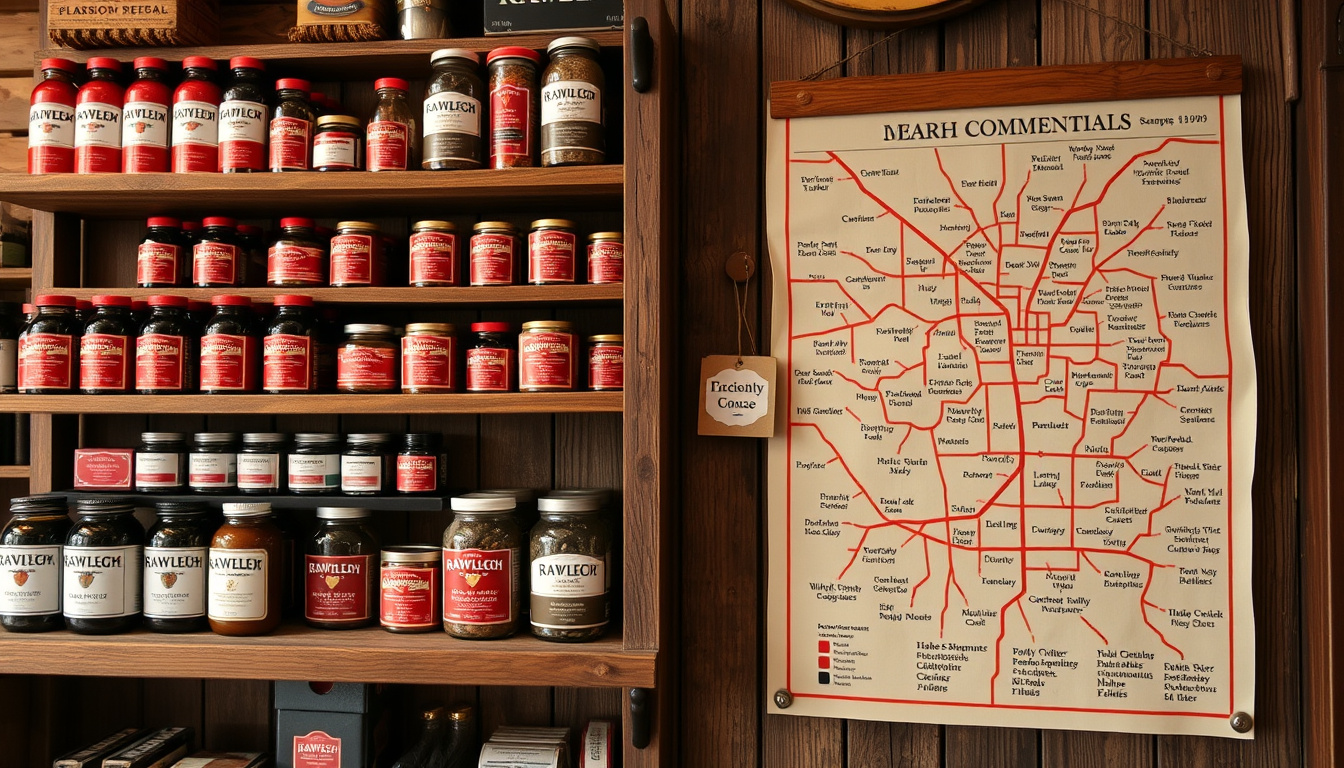
    For those searching for where to purchase Rawleigh products locally, the answer lies in a specific distribution model rather than traditional retail shelving. Understanding how Rawleigh’s operates can save time and help buyers connect with legitimate sellers in their area.

    Rawleigh’s has maintained a direct sales approach for over a century, meaning their products reach customers through independent distributors rather than conventional store placements. This structure affects where and how consumers can access their health and home care offerings.

    The company operates primarily in Australia and New Zealand, with official store locator tools available on their websites to help customers find nearby representatives ready to provide products and guidance.

    Where Can I Buy Rawleigh Products Near Me?

    Rawleigh’s products are distributed exclusively through independent distributors rather than retail establishments. To locate a seller in your area, the company provides official store locator tools on their main website and regional Australian domain.

    Customers can enter their postcode into the official distributor finder to identify nearby independent representatives. The system emphasizes that these are “local people ready to help you” with both product supply and personalized advice.

    📍
    Direct Sales Model
    Products sold through independent distributors, not big box retailers
    🏥
    Product Categories
    Health supplements, home remedies, and household essentials
    🔍
    Find Locally
    Use official website locator or social media community groups
    🌐
    Online Alternatives
    Official website orders or verified third-party sellers

    Key Points About Rawleigh Distribution

    • Rawleigh’s operates hundreds of independent distributors across Australia and New Zealand
    • The official store locator offers filtering by radius distance (3km, 20km, 50km, 100km)
    • Distributors are described as “local people ready to help you” with advice and product supply
    • Store locators are available on both the main website and the Australian-specific domain (rawleighs.com.au)
    • The company does not maintain traditional retail store partnerships
    • Filtering options include distributor type for more targeted searches
    • Independent representatives provide both products and personalized guidance

    Snapshot of Key Facts

    Fact Detail
    Founded 1888
    Distribution Model Direct sales via independent distributors
    Product Focus Health and home care
    Retail Availability Limited; sold primarily through independent sellers
    Official Locator Available on rawleighs.com and rawleighs.com.au
    Primary Markets Australia and New Zealand
    Distributor Count Hundreds across operating regions

    Does Any Store Sell Rawleigh Products?

    Traditional retail store availability for Rawleigh products remains limited. The company’s business model centers on direct sales distribution, which means products reach consumers through independent representatives rather than conventional retail shelving in pharmacies or supermarkets.

    Understanding the Direct Sales Approach

    The direct sales model employed by Rawleigh’s relies on independent distributors to connect products with end consumers. This approach differs significantly from mass retail distribution, where products are placed in stores for self-service purchasing.

    According to information available on the company’s official distributor finder, these local representatives serve as the primary supply channel. They offer both the products themselves and guidance on which items may best suit customer needs.

    Availability Context

    The search results available do not confirm retail partnerships with major chains such as Walmart or specific pharmacy groups. To obtain current information about retail availability, direct inquiry through the Australian store locator or contacting distributors directly is recommended.

    Online Purchasing Options

    For customers unable to locate a local distributor, online alternatives exist. The official Rawleigh websites serve as the primary digital channel for product information and distributor connections, though purchasing directly through the site may require working with a distributor.

    Social media platforms and community groups may list independent sellers, though verification of legitimacy remains important when purchasing through unofficial channels.

    How to Contact a Local Rawleigh Seller?

    Connecting with a local Rawleigh distributor involves using the company’s official locator system, which is designed to match customers with nearby independent representatives.

    Using the Official Distributor Locator

    The primary method for finding a local seller involves visiting the official Rawleigh’s website and accessing the distributor finder tool. Customers enter their postcode or suburb to generate a list of nearby independent representatives.

    The locator system offers several filtering options to refine search results. Users can select their preferred radius distance from preset options including 3 kilometers, 20 kilometers, 50 kilometers, and 100 kilometers. Additional filtering by distributor type allows for more targeted results based on specific needs or preferences.

    Locator Tips

    When using the store locator, try adjusting the radius setting if initial results appear limited. Expanding to a 50km or 100km radius may reveal distributors in nearby towns or regions who can arrange delivery or express shipping for orders.

    Alternative Contact Methods

    Beyond the official website, social media platforms may contain groups or listings where independent distributors promote their services. However, the official website remains the most reliable starting point for verified distributor information.

    When contacting a distributor, many representatives can provide personalized product recommendations based on individual requirements, arrange bulk orders, and offer ongoing support for product selection.

    What Are Rawleigh Products and Is the Company Still Active?

    Rawleigh’s is a health and home care product company with roots dating back to 1888, making it one of the older continuously operating direct sales businesses in the Australasian region. The company specializes in products designed for personal wellness and household use.

    Company Background

    Established over 135 years ago, Rawleigh’s built its reputation on health remedies and home care solutions. The company transitioned early to a direct sales model, a distribution approach that allows for personalized customer service and product guidance that conventional retail environments typically cannot provide.

    The direct sales model means the company maintains an active network of independent distributors rather than operating traditional retail locations. This structure enables representatives to develop relationships with customers and offer tailored advice on product selection.

    Current Operational Status

    Based on the presence of active store locator tools and official website maintenance, Rawleigh’s continues to operate with an active distributor network across Australia and New Zealand. The official websites indicate hundreds of independent distributors remain active in the field.

    Verification Note

    Specific information about company founding dates, current ownership, or detailed product catalogs was not fully available in the search results. For comprehensive details on product ranges and current business operations, direct consultation with official Rawleigh channels is recommended.

    Product Categories Available

    Rawleigh’s product range historically encompasses health supplements, home remedies, and household essentials. The company’s focus on wellness and home care has remained consistent throughout its operational history, though specific product listings should be confirmed directly with distributors or official sources.

    Distributors typically carry an extensive range allowing customers to source multiple product types through a single representative relationship.

    Timeline of Rawleigh’s Business History

    Understanding the historical development of Rawleigh’s provides context for its current distribution model and market presence.

    1. 1888: Company founded as a home remedy and health product business
    2. Early 1900s: Expansion of direct sales operations across the region
    3. Mid-20th Century: Establishment of independent distributor network as primary sales channel
    4. Modern Era: Continued focus on direct sales model with expanded distributor support tools
    5. Present Day: Active distributor network operating across Australia and New Zealand with online locator services

    What We Know and What Remains Unclear

    Transparency about the limits of available information helps readers make informed decisions about where to seek additional details.

    Established Information Information Requiring Verification
    Direct sales distributor model operates in Australia and New Zealand Specific retail store partnerships or availability
    Hundreds of independent distributors actively operating Complete and current product catalog details
    Official store locator tools available on rawleighs.com and rawleighs.com.au Amazon or other major online marketplace presence
    Distributors provide local advice and product supply Company ownership or corporate structure changes
    Filtering options include radius distance and distributor type Specific information about Walmart or pharmacy partnerships
    Company has operated since at least the early 1900s Facebook group authenticity or alternative social channels

    The Direct Sales Model Explained

    Rawleigh’s reliance on independent distributors represents a distinct approach to product distribution that differs fundamentally from conventional retail models. Understanding this structure clarifies why traditional store searches may not yield results and how the official locator becomes essential.

    Direct sales businesses maintain networks of independent representatives who purchase products in bulk and resell to end consumers. This model allows for personalized service, flexible ordering, and localized support that centralized retail environments cannot replicate.

    For customers, this means establishing a relationship with a local distributor provides ongoing access to products, recommendations, and support. The trade-off involves accepting that purchasing requires either finding a local representative or arranging delivery through the distributor network.

    For those in areas without active distributors, expanding search radius through the official locator tool or contacting the company directly for referral assistance represents the most reliable path to obtaining products. Local community groups may also connect potential customers with existing distributors serving broader regions.

    Finding Reliable Information and Next Steps

    When seeking Rawleigh products or distributor information, the official websites serve as the most authoritative sources. The official distributor finder provides verified information about active representatives in specific locations.

    For comprehensive product information, direct communication with identified distributors allows for personalized inquiry about specific items, pricing, and ordering processes. Representatives can also advise on product suitability for particular needs or preferences.

    Local distributors are described as “local people ready to help you” with both advice and product supply, emphasizing the personalized service approach that defines the Rawleigh business model.

    — Rawleigh’s Official Distributor Information

    Summary and Recommended Actions

    Finding Rawleigh products near you requires understanding the company’s direct sales structure rather than searching for traditional retail locations. The official store locator on rawleighs.com and rawleighs.com.au provides the most reliable method for identifying nearby independent distributors who can supply products and guidance.

    For those exploring local shopping options, the Liquor Store Open Near Me guide offers additional local commerce resources in the region. Similarly, store location information for other retailers, including Beds R Us Lower Hutt Store Guide, demonstrates the variety of retail locator approaches available for different shopping needs.

    Is Rawleigh still in business?

    Based on active official store locator tools and the presence of hundreds of listed distributors, Rawleigh’s appears to maintain active operations in Australia and New Zealand with an ongoing distributor network.

    What types of products does Rawleigh sell?

    Rawleigh’s product range historically includes health supplements, home remedies, and household essentials. For complete current product listings, consulting directly with local distributors or the official website is recommended.

    Can I buy Rawleigh products online?

    Products are primarily distributed through independent distributors rather than direct online sales. The official websites provide locator tools to find sellers who may arrange delivery or shipping for remote customers.

    Does Walmart carry Rawleigh products?

    The available search results do not confirm retail partnerships with major chains such as Walmart. Rawleigh’s operates through independent distributors rather than traditional retail distribution channels.

    How do I find a distributor in my area?

    Enter your postcode into the official store locator on rawleighs.com or rawleighs.com.au. Use radius filters (3km, 20km, 50km, 100km) to expand or narrow your search as needed.

    Are Rawleigh products available in New Zealand?

    Yes, Rawleigh’s maintains an active distributor network across New Zealand in addition to Australia. The main website store locator includes New Zealand locations.

  • High Protein Lunch Ideas – Quick No-Cook Meals and Tips

    High Protein Lunch Ideas – Quick No-Cook Meals and Tips

    Building a satisfying midday meal around protein has become a cornerstone of effective nutrition strategies. Whether the goal involves preserving lean muscle during weight loss, maintaining steady energy through an afternoon at the office, or simply preparing something nutritious without spending hours in the kitchen, protein-rich lunches deliver. Research consistently shows that adequate protein at midday supports satiety, helps regulate blood sugar, and provides the building blocks the body needs for tissue repair and muscle maintenance.

    This guide explores practical high-protein lunch ideas spanning quick no-cook options, vegetarian adaptations, calorie-conscious choices for weight management, and strategies for preparing multiple meals ahead of time. Each recipe prioritizes protein content while remaining accessible for home cooks of all experience levels.

    Best High Protein Lunch Ideas

    High-protein lunches come in many forms, from traditional composed salads to creative assembled bowls. The most effective options balance substantial protein with complementary fats and fiber, creating meals that satisfy without excess calories.

    Quick (<15 min)

    Greek yogurt bowls, tuna lettuce cups, cheese wraps, egg pepper boats

    Vegetarian

    Chia pudding, Greek yogurt bowls, Caprese salad, cottage cheese preparations

    Weight Loss (<400 cal)

    Tuna lettuce cups, Greek yogurt bowls, egg pepper boats, bento boxes

    Meal Prep

    Chia pudding jars, bento boxes, cheese wraps, Greek yogurt bowls

    Key Insights for High-Protein Lunches

    • Protein at lunch helps extend satiety through the afternoon, reducing between-meal snacking
    • Adequate protein supports muscle repair and maintenance, particularly important during caloric restriction
    • Simple ingredient swaps can elevate protein content without complicated preparation
    • Portable lunches eliminate the temptation to skip meals or rely on vending machines
    • Combining protein with healthy fats creates longer-lasting satisfaction than protein alone
    • Vegetarian and plant-based options can match or exceed the protein content of meat-based meals
    Lunch Idea Protein (g) Calories Prep Time
    Grilled Chicken Salad 35 350 10 min
    Tuna Lettuce Cups 25+ 200-250 5 min
    Greek Yogurt Veggie Bowl 25-30 250 5 min
    Cheese Lettuce Wraps 30-35 300 5 min
    Chia Seed Pudding 21 260 5 min + chill
    Egg Pepper Boats 20+ 280 5 min
    No-Cook Bento Box 25+ 300 5 min
    Caprese Cheese Salad 30 320 5 min

    Quick High Protein Lunch Ideas Under 15 Minutes

    Time constraints represent one of the most common barriers to eating well at midday. These options require minimal active preparation, making them accessible for busy professionals, parents managing packed schedules, or anyone seeking nutrition without extensive cooking.

    No-cook preparations leverage pre-cooked proteins, canned goods, and ready-to-use ingredients. High-protein, no-cook vegetarian lunch ideas prove particularly valuable during warm weather when turning on the stove feels impractical.

    Tuna Salad Lettuce Cups

    Canned tuna mixed with Greek yogurt or mashed avocado, diced celery, and pickles creates a protein-dense filling. Spoon the mixture into crisp romaine lettuce leaves for a low-carbohydrate, portable meal. The omega-3 fatty acids from tuna support heart health, while the protein content helps maintain stable energy levels. For strict vegetarians, cottage cheese or tofu mash serve as effective substitutes.

    Greek Yogurt Veggie Bowl

    Full-fat Greek yogurt forms the base of this versatile bowl. Mix in pesto or fresh herbs, then top with diced cucumber, cherry tomatoes, olives, crumbled feta cheese, and a handful of nuts. The probiotics support digestive health, while the protein and fat combination promotes satiety. Layering ingredients in a glass jar keeps everything separated until lunch, preserving texture and freshness.

    Cheese and Veggie Lettuce Wraps

    Large lettuce leaves serve as the “wrap” in this deconstructed approach. Fill them with sliced cheese, deli-style proteins, hummus, and crunchy vegetables. The flexibility allows for countless combinations, keeping the routine interesting over consecutive days. These wraps travel well and require no utensils, making them ideal for eating at a desk or during commutes.

    Prep Strategy

    Hard-boil a batch of eggs at the start of the week. They keep refrigerated for up to seven days and serve as instant protein boosters for salads, wraps, or snacking.

    High Protein Lunch Ideas for Weight Loss

    Weight loss requires creating a sustainable caloric deficit while preserving lean muscle tissue. Protein plays a critical role in this process by supporting satiety, maintaining metabolic rate, and preventing the muscle loss that often accompanies reduced calorie intake.

    The Academy of Nutrition and Dietetics suggests aiming for 20-30 grams of protein per meal as a general guideline. For weight loss specifically, targeting the higher end of this range—25-35 grams per lunch—helps extend feelings of fullness and reduces the likelihood of overeating later in the day.

    Prioritizing Protein Density

    Weight-loss-friendly lunches should emphasize protein while keeping total calories manageable. Greek yogurt provides approximately 20 grams of protein per cup, while cottage cheese delivers around 25 grams per cup. A single large egg contributes roughly 6 grams of protein, making multiple eggs a practical choice for substantial protein without excessive calories.

    Controlling Carbohydrates and Fats

    For those following low-carbohydrate approaches, keeping net carbs under 10 grams per serving maintains metabolic flexibility. Healthy fats from avocado, olive oil, and nuts contribute to satiety without significantly raising carbohydrate content. This combination—adequate protein, moderate fat, minimal carbs—creates meals that satisfy while supporting fat loss goals.

    Calorie Guidance

    Keeping lunch under 400 calories while including 25-35 grams of protein requires strategic ingredient selection. Non-starchy vegetables bulk up portions without adding significant calories, while healthy fats add flavor and satisfaction in moderate amounts.

    Vegetarian High Protein Lunch Ideas

    Plant-based eating need not compromise protein intake. Dairy products, eggs, legumes, and high-protein grains provide substantial amounts of this essential macronutrient. The key lies in thoughtful combination and understanding which vegetarian foods deliver meaningful protein content.

    Dairy and Egg-Based Options

    Greek yogurt stands out as one of the most protein-dense dairy options, with some varieties providing up to 20 grams per serving. Cottage cheese similarly offers impressive protein content in a versatile format that works in both sweet and savory preparations. Eggs—whether hard-boiled, scrambled, or used in salads—deliver complete protein with all essential amino acids.

    Cheese as a Protein Source

    Fresh mozzarella, feta, and other cheeses contribute meaningful protein alongside fat. A Caprese salad combining fresh mozzarella, tomatoes, and basil delivers approximately 30 grams of protein in a light, refreshing format. Adding nuts increases both protein and healthy fat content, creating a more complete meal.

    Plant Protein Alternatives

    For strict vegetarians or those avoiding dairy, paneer, tempeh, and tofu provide protein-dense options. These ingredients work well in no-cook preparations when pre-cooked or marinated in advance. Protein powder mixed into overnight chia pudding or Greek yogurt further boosts protein content without requiring cooking.

    Vegetarian Keto Adaptation

    When replacing fish or poultry in keto recipes, increase cheese and Greek yogurt portions. Paneer and halloumi offer higher protein than many plant alternatives while remaining compatible with low-carbohydrate approaches.

    High Protein Meal Prep and Keto Lunch Ideas

    Preparing lunches in advance eliminates daily decision fatigue and ensures that time constraints never derail nutrition goals. High protein low carb lunch meal prep strategies work particularly well for those following ketogenic or low-carbohydrate eating patterns.

    Batch Preparation Fundamentals

    Successful meal prep relies on choosing ingredients that maintain quality during refrigeration. Most no-cook lunch options store well for four to five days when properly sealed in glass containers or bento boxes. Adding ingredients like avocado immediately before eating prevents browning and texture degradation.

    High-Protein Chia Seed Pudding

    Combining chia seeds with unsweetened almond milk, Greek yogurt, and protein powder creates a pudding that develops texture overnight in the refrigerator. Toppings like nuts or berries add healthy fats and flavor variety. This preparation requires roughly five minutes of active time and provides approximately 21 grams of protein in a portable format.

    No-Cook Bento Boxes

    The bento box format allows for diverse components within a single container. Pair cheese cubes with nuts, sliced vegetables, hard-boiled eggs, and avocado sections. This approach offers flexibility—each component can vary day-to-day without changing the overall structure. Estimated protein content reaches 25 grams or more depending on portions.

    Keto-Specific Considerations

    Keto meal prep emphasizes keeping carbohydrates minimal while maximizing healthy fat intake. Using lettuce cups, cheese wraps, or vegetable sticks as vehicles for protein-rich fillings maintains the low-carb requirement. Prepping multiple protein options in advance—marinated tofu, seasoned cottage cheese, prepared egg salads—enables quick assembly without daily cooking.

    A Day of High-Protein Lunches: Sample Timeline

    Distributing protein throughout the day supports stable energy and consistent nutrient intake. This sample timeline demonstrates how high-protein lunches integrate into an overall daily nutrition strategy.

    1. Morning snack (9:00 AM): A handful of mixed nuts provides approximately 5-7 grams of protein while offering healthy fats to bridge the gap until lunch.
    2. High-protein lunch (12:30 PM): A Greek yogurt veggie bowl with approximately 25-30 grams of protein delivers sustained energy through the afternoon.
    3. Afternoon snack (3:30 PM): A hard-boiled egg or small cheese portion adds 6-10 additional grams of protein, preventing energy dips.
    4. Balanced dinner (7:00 PM): The evening meal rounds out daily protein intake with complementary nutrients.

    This distribution pattern—moderate protein at lunch paired with protein-rich snacks—helps maintain satiety while supporting overall daily protein goals. Individual needs vary based on body size, activity level, and specific health objectives.

    Protein Facts and Common Misconceptions

    Understanding what constitutes reliable information versus popular myth helps navigate conflicting nutrition advice. The following distinction clarifies established facts from areas where uncertainty remains.

    Established Information

    25-40 grams of protein at lunch optimizes satiety for most adults. Protein supports muscle maintenance during weight loss. Plant and animal proteins can both meet protein needs when consumed in appropriate quantities.

    Areas of Uncertainty

    Optimal protein intake varies individually based on factors including activity level, metabolic health, and personal goals. The long-term effects of very high protein diets in healthy individuals continue to be studied.

    Concerns about excessive protein harming kidney function apply primarily to individuals with pre-existing kidney disease. For healthy adults, research supports higher protein intakes without adverse effects on kidney markers.

    Understanding Protein Sources and Their Benefits

    Protein quality matters alongside quantity. Complete proteins contain all nine essential amino acids, while incomplete proteins lack one or more of these building blocks. Understanding this distinction helps in combining foods to create complete protein profiles, particularly important for vegetarians and vegans. Understanding macronutrients and their roles provides a broader foundation for making informed dietary choices.

    Animal versus Plant Protein

    Animal sources generally provide complete proteins in concentrated amounts. Eggs, dairy, fish, and poultry offer high bioavailability—the body’s ability to absorb and utilize the amino acids. Plant sources like legumes, nuts, and seeds often require combination to achieve complete amino acid profiles, though this can be accomplished throughout the day rather than within individual meals.

    Customization for Individual Needs

    Calorie adjustments depend on individual goals. Reducing portion sizes of higher-calorie ingredients like cheese and nuts decreases total calories while maintaining protein content. Increasing these same ingredients supports weight gain or maintains weight for highly active individuals.

    Expert Guidance

    According to the Academy of Nutrition and Dietetics, most adults should aim for approximately 0.8 grams of protein per kilogram of body weight daily, though active individuals and those building muscle may need more.

    Expert Sources and Recommendations

    “Aim for 20-30 grams of protein per meal to support satiety, muscle maintenance, and overall health throughout the day.”

    — Academy of Nutrition and Dietetics

    Trusted organizations provide evidence-based guidance on protein intake and food selection. The USDA Protein Foods Group offers foundational information on incorporating protein into balanced eating patterns.

    Harvard T.H. Chan School of Public Health provides comprehensive analysis of daily protein requirements, addressing common questions about optimal intake levels for different populations.

    Registered dietitians emphasize individualizing protein intake based on body composition goals, activity levels, and overall health status. The Academy of Nutrition and Dietetics resource on protein needs provides practical guidance for determining appropriate intake.

    Moving Forward with High-Protein Lunches

    Implementing these high-protein lunch ideas requires only modest adjustments to existing routines. Starting with one or two options that align with available time, dietary preferences, and nutrition goals creates sustainable change more effectively than attempting wholesale dietary overhaul.

    Building a complete high-protein day involves continuing the lunch focus through subsequent meals and snacks. Customizing portions based on individual macronutrient targets ensures the approach supports specific goals, whether those involve weight loss, muscle gain, or simply maintaining balanced nutrition.

    Frequently Asked Questions

    What lunch has the most protein?

    Grilled chicken salads, Greek yogurt bowls with protein powder, and cheese lettuce wraps typically deliver the highest protein content, ranging from 30-35 grams per serving depending on portion sizes and specific ingredients used.

    How much protein should lunch have?

    Most nutrition guidelines suggest 20-30 grams of protein at lunch. For weight loss or muscle building goals, targeting 25-35 grams helps maximize satiety and supports these specific objectives.

    Are high protein lunches good for muscle gain?

    Yes. Adequate protein throughout the day, including at lunch, provides amino acids necessary for muscle repair and growth. Spreading protein intake across meals may optimize muscle protein synthesis compared to concentrating intake at single meals.

    Can I meal prep high protein lunches for the entire week?

    Most no-cook high-protein lunch options keep well for four to five days refrigerated. Preparing five days of lunches at once saves time and ensures consistent nutrition throughout the work week.

    What vegetarian options provide 25+ grams of protein?

    Greek yogurt bowls, cottage cheese preparations, egg-based salads, paneer dishes, and chia pudding with protein powder can all deliver 25 grams or more of protein while remaining fully vegetarian.

    Do I need to cook to make high protein lunches?

    No. Many high-protein lunches require no cooking. Options like Greek yogurt bowls, cheese and veggie wraps, tuna salad, and chia pudding use pre-cooked or ready-to-eat ingredients assembled without any heat source.

    How do I keep high protein lunches under 400 calories?

    Focus on lean protein sources, control portion sizes of higher-calorie ingredients like cheese and nuts, and bulk up meals with non-starchy vegetables. Using lettuce cups instead of bread also reduces calorie content significantly.

  • New Zealand Jobs in Auckland – Essential Guide for Seekers

    New Zealand Jobs in Auckland – Essential Guide for Seekers


    Jobs in Auckland, New Zealand: Your Complete Guide to Employment Opportunities

    Auckland stands as New Zealand’s economic powerhouse, home to roughly one-third of the nation’s population and the vast majority of its corporate headquarters. The city’s diverse economy spans manufacturing, technology, finance, healthcare, and creative industries, creating a robust job market that attracts workers from across the country and around the world. Understanding how to navigate Auckland’s employment landscape can significantly improve your chances of securing meaningful work in this vibrant Pacific metropolis.

    High-Demand Industries in Auckland

    The Auckland economy offers opportunities across numerous sectors, though certain industries consistently show stronger hiring activity than others. Technology companies have established significant operations in the city, particularly in the areas surrounding the CBD and in innovation hubs like the Wynyard Quarter. Healthcare services continue expanding to meet the needs of a growing and aging population, with hospitals and primary care facilities regularly seeking qualified professionals. The construction industry remains active due to ongoing infrastructure projects and residential development across the greater Auckland region.

    • Information Technology and Software Development
    • Healthcare and Social Assistance
    • Construction and Engineering
    • Finance and Insurance Services
    • Manufacturing and Logistics
    • Tourism and Hospitality
    • Education and Training

    Employment Insights for Auckland Job Seekers

    The Auckland job market operates differently from smaller New Zealand centers, with competition for positions often more intense due to the larger candidate pool. However, the city also offers greater variety in roles and employers, from multinational corporations to local SMEs and government agencies. Many employers in Auckland value practical experience alongside formal qualifications, and candidates who demonstrate adaptability and relevant skills often progress quickly in their careers.

    Part-time and casual work remains widely available, particularly in hospitality, retail, and service industries. These positions can serve as entry points for those new to the Auckland workforce or as supplementary income for students and secondary earners. Full-time permanent positions typically offer more comprehensive employment benefits and greater job security, though the hiring process for these roles tends to be more thorough.

    Average Salary Ranges by Sector

    Industry Sector Typical Annual Salary Range (NZD) Experience Level Required
    Information Technology $65,000 – $130,000 Entry to Senior
    Healthcare (Nursing) $55,000 – $95,000 Entry to Specialist
    Construction Trades $55,000 – $110,000 Apprenticeship to Master
    Financial Services $60,000 – $150,000 Graduate to Executive
    Hospitality Management $50,000 – $85,000 Entry to Senior
    Education (Primary/Secondary) $55,000 – $105,000 Graduate to Lead Teacher

    Where to Find Auckland Job Listings

    Several established platforms serve as primary resources for job seekers searching for positions in Auckland. Seek remains the largest general employment website in New Zealand, featuring thousands of Auckland-based listings across all industries and experience levels. Trade Me Jobs offers another comprehensive job board with particular strength in trades, manufacturing, and blue-collar positions.

    The Work and Income website run by the New Zealand government provides access to both job listings and employment support services. For those interested in public sector roles, the Careers New Zealand platform offers guidance on government employment pathways and skills assessment.

    The Auckland Job Application Process

    Most Auckland employers follow a structured hiring process that typically begins with an online application submitted through their career portal or via email. Applications usually require a tailored CV highlighting relevant experience and a cover letter addressing the specific role requirements. Shortlisted candidates generally proceed to a phone or video interview before being invited for in-person interviews with hiring managers or selection panels.

    Reference checks form a standard part of the verification process, with employers typically requesting contact details for two or three professional referees who can speak to the candidate’s work history and capabilities. Some industries, particularly those involving working with children or vulnerable populations, require police background checks as a condition of employment.

    Work Rights and Visa Requirements

    Understanding your eligibility to work in New Zealand is essential before beginning your job search. Citizens and permanent residents of New Zealand have unrestricted access to the Auckland job market. Those holding temporary work visas must ensure their visa conditions permit employment in their intended role and that their visa remains valid for the duration of any job offer.

    The New Zealand Immigration website provides detailed information on work visa categories, skill migrant resident visa requirements, and the points-based system used for assessing residency applications. employers hiring from overseas must typically demonstrate that no suitable New Zealand citizen or resident is available for the position before offering it to an international candidate.

    Understanding Auckland’s Employment Districts

    Job opportunities in Auckland concentrate in several distinct geographic areas, each with its own industry focus. The Central Business District and surrounding inner-city suburbs host the majority of corporate offices, financial services firms, and professional services businesses. The industrial areas of Onehunga, Penrose, and East Tamaki provide employment in manufacturing, warehousing, and logistics operations.

    The North Shore areas including Albany and Rosedale have emerged as technology and business services hubs, while the areas around the airport support logistics and airfreight operations. Understanding these geographic concentrations can help job seekers target their applications strategically, particularly those relying on public transport or seeking to minimize commute times.

    Expert Perspectives on Auckland’s Job Market

    “Auckland’s employment market rewards adaptability. Candidates who invest in understanding industry trends and continuously develop their skills find success even during economic fluctuations.”

    — Industry workforce development specialist, Auckland Chamber of Commerce

    “The technology sector here has matured significantly over the past decade. We now see genuine career pathways from entry-level developer positions through to senior technical leadership roles.”

    — Regional technology industry representative

    Key Takeaways for Job Seekers

    Success in Auckland’s competitive job market requires a combination of targeted preparation and persistent effort. Ensure your CV presents your skills and experience clearly, with concrete examples of achievements that demonstrate value to potential employers. Research companies before applying and tailor your applications to show genuine interest in the specific role and organization.

    Networking plays an important role in Auckland’s employment landscape. Many positions are filled through referrals and personal connections, making it worthwhile to engage with industry associations, attend professional events, and maintain active profiles on professional networking platforms. Building relationships with people working in your target industry can open doors to opportunities that never appear in public job listings.

    Frequently Asked Questions

    What is the average cost of living for workers in Auckland?

    Auckland’s cost of living ranks among the higher end of New Zealand cities, with housing representing the largest expense for most workers. Rent for a modest one-bedroom apartment in the city center typically ranges from $450 to $650 per week, while outer suburbs offer more affordable options. Other expenses including food, transportation, and utilities add substantially to overall costs, meaning single workers generally need to earn at least $55,000 annually to maintain a basic but comfortable lifestyle.

    Is it difficult to find work in Auckland without New Zealand qualifications?

    Having international qualifications does not automatically disqualify candidates from Auckland employment, though some professions require local registration or recognition of overseas credentials. Employers generally assess candidates based on demonstrated skills, relevant experience, and ability to perform the role effectively. Some industries such as technology and specialized trades may be more open to international qualifications, while healthcare and education typically have more stringent local requirements.

    How long does it typically take to find employment in Auckland?

    The time required to secure employment varies considerably based on industry, experience level, and economic conditions. Candidates actively applying to suitable positions may find work within two to six weeks, while those in specialized fields or requiring specific visa arrangements may face longer timelines. Using multiple job search channels simultaneously and maintaining flexibility regarding role type and location can help shorten the job search duration.

    What industries in Auckland are experiencing the strongest growth?

    Technology and digital services continue expanding in Auckland, with software development, data analysis, and cybersecurity roles showing particularly strong demand. Healthcare services grow steadily due to population growth and aging demographics. The construction industry experiences cyclical activity tied to housing demand and major infrastructure projects. Renewable energy and environmental services represent emerging sectors with increasing employment opportunities.

    Do Auckland employers prefer candidates who already live in the city?

    Many employers appreciate candidates who can begin work immediately without needing to relocate, which can give an advantage to those already based in Auckland. However, for specialized roles where suitable candidates are scarce, employers frequently recruit from other regions or internationally. Remote work arrangements have become more common since the pandemic, enabling some candidates to work for Auckland employers while residing elsewhere.


  • Cash for Cars Wellington – Fast Cash and Free Removal

    Cash for Cars Wellington – Fast Cash and Free Removal


    Cash for Cars Wellington: Fast Cash & Free Removal

    Vehicle owners across Wellington, Lower Hutt, Upper Hutt, and Porirua now have access to services that purchase cars, trucks, vans, and utes for immediate cash payment. These businesses buy vehicles in any condition, including damaged, unregistered, or non-running models, offering free pickup and handling most administrative tasks associated with ownership transfer.

    The arrangement appeals to those looking to dispose of unwanted vehicles without the delays often associated with private sales or trade-ins at dealerships. Providers operating in the region advertise competitive payouts, with some companies claiming to offer five to ten percent above market rates for qualifying vehicles. The process typically begins with a free quote obtained through phone or online channels, followed by scheduling a convenient pickup time.

    This guide examines how cash for cars services operate in the Wellington region, identifies the types of vehicles accepted, outlines the typical transaction timeline, and addresses important considerations regarding legal requirements and pricing factors. For residents seeking quick disposal of unwanted vehicles, understanding these elements helps ensure a smooth and financially worthwhile experience.

    How to Get Cash for Cars in Wellington

    Obtaining cash for an unwanted vehicle in Wellington involves contacting a service provider, receiving a valuation, and scheduling removal. Most providers offer multiple contact methods including phone lines with free 0800 numbers, online quote forms, and in-person assessments at the owner’s location. The entire process from initial inquiry to payment can sometimes be completed within the same day, depending on scheduling availability and vehicle accessibility.

    Instant Cash Offers

    Receive quotes within minutes via phone or online submission, with most providers responding within hours.

    Free Pickup Anywhere

    No towing fees regardless of location. Same-day service available throughout Wellington and surrounding areas.

    Any Condition Accepted

    Vehicles with accident damage, mechanical failures, missing registration, or end-of-life status all qualify.

    Hassle-Free Paperwork

    Service providers manage most documentation including ownership transfer and deregistration requirements.

    Key Considerations

    Average payouts range from $200 to $5,000 NZD depending on vehicle type, condition, and market demand. Trucks, vans, and larger utility vehicles typically command higher prices than passenger cars due to stronger resale demand for commercial-grade vehicles.

    • Payout Range: Most standard passenger vehicles earn between $200 and $3,000, while trucks and larger commercial vehicles may reach $5,000 or higher.
    • Time Savings: The entire transaction typically takes one to three days compared to weeks or months for successful private sales.
    • No Hidden Costs: Removal, towing, and administrative handling are included at no additional charge to the seller.
    • Competitive Pricing: Multiple providers in the Wellington market means sellers can obtain several quotes before committing.
    • Flexible Scheduling: Pickup times accommodate weekday, evening, and weekend availability.
    Fact Details
    Average Payout $200–$5,000 NZD depending on vehicle
    Pickup Timeframe Same day or next business day
    Service Coverage Wellington, Lower Hutt, Upper Hutt, Porirua
    Payment Method Cash or instant bank transfer
    Additional Fees None — free removal guaranteed
    Vehicle Types All makes, models, and conditions accepted

    Top Cash for Cars Services in Wellington

    Several businesses operate throughout the Wellington region, each offering similar core services with variations in pricing structures, coverage areas, and additional perks. Understanding the distinctions between providers helps vehicle owners select the most appropriate option for their specific circumstances.

    Major Service Providers

    Streamline Autos markets itself as offering the highest quotes following vehicle assessment, with free removal available anywhere in the Wellington region. The company provides cash payment upfront for any make or model, positioning itself at the premium end of the pricing spectrum.

    Cash for Cars focuses on fast transactions for scrap and unwanted vehicles, serving both Porirua and Wellington areas. The service emphasises purchasing vehicles in any condition, with streamlined processes designed for quick completion.

    Welly Scrapyard advertises payouts of up to $5,000 for qualifying vehicles, with free removal services covering the entire Lower North Island. The company accepts unregistered vehicles, though sellers must complete an identification verification process before transactions proceed.

    Welly Car Removal provides instant cash payments with same-day pickup capabilities, claiming to offer five to ten percent above market rates. The service handles all makes and models and can be reached directly at 0800 080 044 for immediate quotes.

    Wellington Cash for Cars emphasises top cash payouts regardless of vehicle condition, combining free removal services with instant payment upon vehicle handover.

    CarTakeBack operates with a free quote system available online or by phone at 0800 825 346, with quotes remaining valid for seven days. The company provides complimentary collection services as part of its standard offering.

    Welly Wreckers specialises in purchasing junk cars, trucks, and farm equipment, offering rapid free removal services throughout the Wellington region.

    Getting the Best Price

    Obtaining quotes from multiple providers allows sellers to compare offers and potentially negotiate better terms. Several companies specifically advertise their willingness to beat competitor quotes or offer premium pricing for quality vehicles.

    Comparing Service Models

    While all providers share core similarities—accepting vehicles in any condition, offering free pickup, and providing immediate payment—subtle differences emerge in their operational approaches. Some companies, like Streamline Autos, emphasise post-assessment pricing that rewards well-maintained vehicles. Others, such as Welly Scrapyard, provide clearer payout ranges upfront, giving sellers more predictable expectations before committing.

    Coverage areas also vary, with some services limiting operations to central Wellington while others extend their reach to Wairarapa and broader Lower North Island locations. Sellers in outer regions should verify service availability with their chosen provider before scheduling removal.

    What Types of Cars Qualify for Cash Offers

    Cash for cars services in Wellington accept an exceptionally broad range of vehicle types and conditions. Unlike dealerships that typically require roadworthy vehicles or specific age limits, these businesses purchase cars based primarily on salvageable components and materials rather than drivability.

    Vehicle Categories Accepted

    Standard passenger vehicles including sedans, hatchbacks, and station wagons from any manufacturer—including popular brands like Toyota, BMW, and Holden—qualify for cash offers regardless of age or condition. The pricing reflects the vehicle’s weight in recyclable metal, usable parts inventory, and current market demand for the specific model.

    Sport utility vehicles and four-wheel-drive vehicles are particularly sought after due to strong demand for spare parts and the durability of their core components. These vehicle categories often command premium pricing compared to standard passenger cars of similar age and condition.

    Commercial vehicles including trucks, utes, and vans are actively purchased by Wellington cash for cars services. The commercial vehicle market sees consistent demand for work-ready vehicles and components, making this category potentially lucrative for sellers of work trucks or fleet vehicles.

    Condition Requirements

    Perhaps the most significant advantage of cash for cars services involves their willingness to accept vehicles in any condition. Vehicles with substantial accident damage, failed mechanical inspections, missing components, or non-operational status all qualify for purchase. Welly Scrapyard specifically notes that unregistered vehicles can be accepted, though sellers must provide identification verification.

    Written-off vehicles—those deemed uneconomical or unsafe to repair by insurance assessors—remain eligible for cash purchase. The salvage value of components and recyclable materials means even severely damaged vehicles retain monetary worth in the eyes of these businesses.

    Registration Status

    Unregistered vehicles are accepted by Wellington cash for cars services. Sellers should return licence plates to the provider or retain them for identification purposes. The service provider handles NZTA deregistration paperwork on behalf of the seller, simplifying the ownership transfer process.

    Age and Make Considerations

    There is no upper age limit for vehicles accepted by these services. Vintage cars, classic vehicles, and end-of-life models all have potential value through their parts inventory and collector appeal. However, sellers of older or rare vehicles should research whether private sales might yield higher returns given the specific demand for restoration projects.

    The Cash for Cars Process and Timeline

    The transaction flow for selling a vehicle to cash for cars services follows a straightforward three-step model that most providers implement with minimal variation. Understanding this process helps sellers prepare necessary documentation and set realistic expectations for completion timelines.

    1. Step 1: Obtain a Free Quote
      Contact the chosen provider via phone, online form, or in-person visit. Provide vehicle details including make, model, year, condition, and mileage. Most quotes are instant, though detailed assessments may require on-site inspection for accurate valuations.
    2. Step 2: Accept and Schedule
      Upon reviewing the quote, accept the offer if satisfactory. Coordinate a pickup time that accommodates your schedule. Welly Car Removal and similar providers offer flexible scheduling including evenings and weekends.
    3. Step 3: Collection and Payment
      On the scheduled date, the provider arrives to collect the vehicle. Towing occurs at no cost. The seller signs ownership transfer documentation, and payment is issued immediately—typically in cash or via instant bank transfer.
    Same-Day Completion

    Many transactions can be completed within a single day, particularly for sellers able to provide clear documentation and flexible scheduling. Morning inquiries often allow afternoon pickup and immediate payment.

    The entire process typically requires thirty minutes to one hour of the seller’s time, primarily spent on documentation and vehicle handover. CarTakeBack notes that quotes remain valid for seven days, providing flexibility for sellers who need additional time to arrange removal.

    Understanding Pricing and Quotes

    Vehicle valuation in the cash for cars sector depends on multiple interconnected factors that providers assess during the quoting process. Understanding these variables helps sellers anticipate offers and recognise competitive pricing when evaluating multiple quotes.

    Factors Influencing Vehicle Value

    Vehicle type and size rank among the most significant pricing determinants. Larger vehicles—trucks, vans, and commercial utes—generally command higher prices than passenger cars due to greater quantities of recyclable metal and stronger demand for commercial-grade spare parts.

    The extent of damage directly impacts valuation, with vehicles retaining running capability or minimal damage receiving premium offers. However, even severely damaged vehicles maintain value through salvageable components including engines, transmissions, body panels, and interior parts.

    The vehicle’s make, model, and age influence pricing through parts availability and demand patterns. Common vehicles with widespread parts networks often yield slightly higher offers due to strong resale potential for individual components.

    Comparing Quotes

    Sellers benefit from obtaining multiple quotes before committing to a sale. The competitive market in Wellington means providers have incentive to offer fair pricing to secure business. Some companies explicitly market their willingness to match or exceed competitor offers, creating opportunities for sellers to leverage competing bids.

    Quote Validity

    Quotes may change if vehicle condition differs significantly from the initial description provided. On-site assessment before finalising the sale allows providers to verify vehicle details. Sellers should confirm quote validity periods—typically ranging from twenty-four hours to seven days—before scheduling removal.

    Legal Requirements and NZTA Deregistration

    Vehicle ownership transfer involves administrative requirements that sellers must address to avoid continued liability for the vehicle. Understanding these obligations ensures compliant transactions and protects sellers from future legal or financial complications.

    Owner Responsibilities

    The legal responsibility for cancelling vehicle registration with the New Zealand Transport Agency (NZTA) rests with the vehicle owner. While cash for cars services handle the transfer paperwork, sellers should ensure registration cancellation proceeds promptly after the sale. This prevents ongoing liability for road user charges, accidents, or violations involving the vehicle.

    When selling to services like Welly Scrapyard, sellers typically return the licence plates to the provider or retain them for identification verification purposes. The service provider then completes NZTA deregistration as part of their administrative handling.

    Documentation Needed

    Standard documentation requirements include proof of identity, vehicle registration papers, and signed ownership transfer forms. Unregistered vehicles require additional identification verification to confirm the seller’s authority to transfer ownership. Sellers should contact their chosen provider in advance to confirm specific documentation requirements.

    Licensed Operations

    All legitimate cash for cars services operating in Wellington hold appropriate licences for vehicle removal and disposal. These businesses also adhere to environmentally responsible scrapping practices, ensuring proper handling of hazardous materials and recycling of usable components.

    Established Information

    • Services are licensed for vehicle removal and disposal operations.
    • NZTA deregistration is required after ownership transfer.
    • Licensed providers follow environmentally responsible practices.
    • No hidden fees are charged by reputable providers.

    Information Requiring Direct Verification

    • Specific payout amounts for individual vehicles.
    • Customer satisfaction ratings and reviews.
    • Current promotional offers or pricing specials.
    • Same-day availability in specific locations.

    Why Wellington Has Strong Demand for Cash Car Services

    The Wellington region exhibits several characteristics that support robust demand for cash for cars services. Urban density creates consistent supply of vehicles reaching end-of-life status, while the region’s layout encourages car ownership despite public transit alternatives.

    The presence of multiple providers—Streamline Autos, Cash for Cars, Welly Scrapyard, and others—indicates sufficient market demand to support competitive business operations. The Lower North Island coverage extending to Wairarapa demonstrates the regional reach of these services beyond the immediate Wellington metropolitan area.

    For related local business information, readers may find the Beds R Us Lower Hutt – Address, Hours, Phone and Store Guide and Beds R Us Lower Hutt – Address Hours Phone Guide resources helpful when researching commercial services in the Lower Hutt area.

    Sources and Further Information

    The following official resources provide additional guidance for vehicle owners considering sale to cash for cars services:

    “Vehicle owners should ensure registration is cancelled with NZTA after selling or disposing of a vehicle. This prevents ongoing liability and ensures accurate vehicle records.”

    — NZTA Vehicle Registration Guidelines

    For consumer protection information and dispute resolution guidance, the Consumer Affairs New Zealand website provides resources applicable to private vehicle sales and service agreements. The NZTA vehicle registration page offers official information regarding ownership transfer and deregistration requirements.

    Vehicle owners experiencing concerns about potential scams can find guidance through the New Zealand Police scam advisory service, which monitors fraudulent vehicle sale schemes targeting private sellers.

    Summary

    Cash for cars services operating in Wellington offer vehicle owners a streamlined alternative to private sales or dealer trade-ins. The ability to sell vehicles in any condition, receive free pickup, and obtain instant payment addresses common pain points associated with disposing of unwanted vehicles. With payouts ranging from $200 to $5,000 NZD depending on vehicle type and condition, sellers can recover value from vehicles that might otherwise sit unused or incur ongoing holding costs.

    The competitive market featuring providers like Streamline Autos, Welly Car Removal, and CarTakeBack means sellers benefit from multiple quote options and potentially favourable pricing. Completing the transaction typically requires just one to three days, with many providers offering same-day pickup for urgent situations. For Wellington residents seeking efficient vehicle disposal with fair compensation, cash for cars services represent a practical solution worth exploring.

    Frequently Asked Questions

    How quickly can I get paid when selling my car for cash?

    Most services provide instant cash payment upon vehicle collection. Bank transfers may take minutes to process, while cash payments are provided immediately at the time of handover.

    Do I need to deliver the vehicle, or is pickup included?

    All Wellington cash for cars services include free pickup and towing. No delivery is required from the seller, and no additional fees apply for removal regardless of vehicle location.

    What paperwork do I need to sell my car?

    Typically, you need proof of identity and vehicle registration documents. The service provider handles ownership transfer paperwork. For unregistered vehicles, additional identification verification may be required.

    Can I sell a car that is not registered?

    Yes. Unregistered vehicles are accepted by Wellington cash for cars services. You will need to return licence plates to the provider or retain them for identity verification purposes.

    What affects how much money I can get for my car?

    Vehicle type, size, make, model, age, and condition all influence pricing. Larger vehicles like trucks and vans typically pay more. Running vehicles or those with minimal damage command higher offers than non-operational models.

    Is the quote I receive binding?

    Quotes are typically valid for a set period—ranging from twenty-four hours to seven days depending on the provider. Quotes may be adjusted if vehicle condition differs substantially from the initial description.

    Do I have to accept the first quote I receive?

    No obligation exists to accept any quote. Obtaining multiple quotes from different providers allows comparison shopping and may result in better offers. Some providers will match or beat competitor quotes.

    Are there any hidden fees or charges?

    Reputable Wellington cash for cars services charge no hidden fees. Removal, towing, and paperwork handling are included. Sellers receive the quoted amount in full upon vehicle handover.

    How do I know a service is legitimate?

    Licensed providers display appropriate business credentials and operate through verifiable contact channels. Checking for NZTA registration handling, physical business addresses, and professional communication helps verify legitimacy.

    What areas do these services cover?

    Services cover Wellington, Lower Hutt, Upper Hutt, Porirua, and surrounding areas. Some providers extend coverage to Wairarapa and broader Lower North Island regions. Coverage varies by company.


  • Best Ride On Mower NZ – Top Picks For Kiwi Properties

    Best Ride On Mower NZ – Top Picks For Kiwi Properties


    Choosing the right ride-on mower for a New Zealand property requires matching machine capabilities to specific section sizes, terrain challenges, and budget constraints. The New Zealand market offers a diverse range of options from international brands like Husqvarna and John Deere alongside locally available Masport models, each catering to different property types and mowing requirements. This guide examines the leading ride-on mower options currently available, providing practical comparisons to help property owners make informed purchasing decisions based on their individual circumstances.

    Recent reviews and market analysis indicate significant variation in performance across different terrain types commonly found in New Zealand. From flat suburban sections to hilly rural properties, the suitability of each mower type depends heavily on factors including cutting width, transmission system, and traction capabilities. Understanding these specifications in relation to specific property characteristics ensures buyers select equipment that delivers reliable service over the long term.

    What is the Best Ride On Mower in NZ?

    The answer depends largely on property characteristics, though several models consistently emerge as top performers across different categories. Recent New Zealand reviews highlight options that balance performance, reliability, and value for typical section sizes found throughout the country.

    Based on aggregated reviews and specifications, these models represent the strongest options currently available in the New Zealand market for typical residential and small rural properties.

    Category Recommended Model Cutting Width Best Suited For
    Overall Top Pick John Deere ZTrak Z335E 42 inches Level sections with obstacles
    Value Leader Masport ZVT 48 inches Larger sections, budget buyers
    Hillside Specialist Husqvarna 500-series Variable Slopes and uneven terrain
    Small Section Masport S155 36 inches Sections under 1 acre

    Key Takeaways for NZ Property Owners

    • Tire selection significantly impacts performance on New Zealand’s varied terrain, particularly during wet conditions when standard turf tires provide inadequate traction and may cause the mower to slide or become stuck
    • Zero-turn mowers offer superior maneuverability and cutting efficiency on flat properties with garden beds and trees, though they require careful operation on slopes due to their high-speed turning capability
    • Husqvarna 500-series models feature 4-wheel drive and low centre of gravity, making them the preferred choice for properties with significant slopes and challenging topography
    • For sections around one acre, a cutting width of 36 to 48 inches provides the optimal balance between maneuverability and mowing efficiency
    • John Deere’s price-value ratio for zero-turn mowers ranks highly among New Zealand buyers seeking reliable performance without premium pricing
    • Warranty coverage varies substantially between brands, with John Deere offering up to 4 years or 300 hours on higher-end models compared to 3 years for comparable Husqvarna products
    • Hydrostatic transmission systems, found across premium models from all major brands, provide smoother operation and easier handling compared to traditional gear-driven alternatives
    Brand Price Range (NZD) Typical Engine Warranty
    Husqvarna $5,550 – $16,675 Up to 26.3 hp 3 years
    John Deere Varies by model 20-25 hp 2-4 years
    Masport Entry to mid 24 hp Standard
    Altoz Premium Commercial Commercial

    What is the Best Value Ride On Mower NZ?

    Value in ride-on mowers encompasses more than initial purchase price, extending to long-term operating costs, maintenance requirements, and resale potential. Several models stand out for delivering strong performance relative to their cost, particularly for property owners seeking practical solutions without premium pricing.

    Budget-Friendly Options Under $5,000

    Strict budget constraints limit options in the New Zealand market, as most premium ride-on mowers exceed the $5,000 threshold. However, entry-level models from established brands provide viable alternatives for smaller properties where advanced features are less critical.

    When budget is the primary constraint, focusing on appropriate cutting width for your section size and ensuring local dealer support can prevent costly issues down the line. Checking the availability of spare parts and service support before purchasing any model is essential.

    Masport’s range represents the most accessible entry point for New Zealand buyers, with models designed specifically for smaller sections where premium features would go underutilised. The Masport S155 tractor, featuring a 36-inch cutting width and 300L grass catcher, provides practical functionality for properties up to one acre without the complexity of larger machines.

    Mid-Range Value Leaders

    The mid-price segment offers the strongest value proposition for most New Zealand property owners, combining capable performance with reasonable acquisition costs. These models typically include hydrostatic transmission, adequate cutting widths, and sufficient engine power for typical residential and small rural applications.

    Husqvarna 100-series tractors present a compelling value alternative to John Deere’s equivalent range, offering comparable specifications at similar price points. Features such as hydrostatic transmission with side-by-side pedals enhance operator comfort during extended mowing sessions, while engine outputs reaching 26.3 hp handle challenging grass conditions effectively. Husqvarna’s New Zealand distribution ensures ready access to parts and service support across the country.

    Maximising Value Through Correct Sizing

    Purchasing an inappropriately sized mower frequently results in either over-spending on unused capacity or frustration from inadequate performance. Matching cutting width to section size represents the most significant factor in achieving satisfactory value from a ride-on mower purchase.

    For sections between one and three acres, a 42 to 48-inch cutting width provides the optimal balance between coverage efficiency and maneuverability. Properties exceeding three acres generally benefit from commercial-grade machines with cutting widths exceeding 50 inches, despite their higher acquisition cost.

    Which Ride On Mower Brands Are Best for NZ?

    The New Zealand market benefits from access to major international brands alongside locally distributed products, each bringing distinct strengths to different property requirements. Evaluating brand reliability requires considering both reported performance and the availability of local support infrastructure.

    John Deere

    John Deere maintains a strong presence in the New Zealand market, with the ZTrak zero-turn series particularly well-regarded for value and performance on relatively level lawns. The range spans cutting decks from 42 to 60 inches, accommodating properties of varying sizes while maintaining consistent quality standards.

    Warranty coverage on John Deere products includes options ranging from 2 years or 120 hours on entry models through to 4 years or 300 hours bumper-to-bumper on higher-end variants, providing buyers with confidence in long-term reliability. The combination of established dealer networks and readily available parts makes John Deere a practical choice for property owners prioritising support accessibility.

    Husqvarna

    Husqvarna offers one of the broadest product ranges available in New Zealand, from entry-level tractors through to commercial-grade machines designed for demanding applications. The 500-series represents the upper tier of their residential offerings, featuring commercial-quality construction including 4-wheel drive capability and low centre of gravity for slope work.

    Reported durability issues with engine belts on the S100 model warrant attention when evaluating used purchases, highlighting the importance of checking maintenance records and service history. New units benefit from full factory warranty coverage, though prospective buyers should confirm specific terms with authorised dealers before purchase.

    Masport

    Masport occupies a distinct position in the New Zealand market as a brand with deep roots in the country and products designed with local conditions in mind. The range spans from affordable entry-level tractors through to the more capable ZVT zero-turn models, providing options across multiple price points.

    The ZVT zero-turn mower features a 48-inch cutting width, 24 HP engine, and 13 cutting height adjustments, offering practical capabilities for substantial lawn areas at a budget-conscious price point. Adjustable lap bars enhance operator comfort, while the 19-litre fuel tank supports extended mowing sessions without frequent refuelling stops.

    Track-Drive Specialists

    For properties with significant slopes or challenging terrain, track-drive mowers like the Altoz 766 provide superior performance compared to conventional wheel-mounted alternatives. The traction advantages of track systems become particularly apparent on wet grass and steeper gradients where traditional turf tires struggle for grip.

    Standard ride-on mowers are not designed for steep slopes regardless of brand. Properties with significant gradients require specialised equipment such as track-drive mowers or dedicated slope machines. Operating standard mowers on steep terrain poses serious safety risks including loss of control and rollover hazards.

    What to Consider When Buying a Ride On Mower in NZ?

    Successful ride-on mower purchases depend on accurately assessing property requirements and matching them to available equipment capabilities. Several key factors determine whether a particular model will prove satisfactory over years of regular use.

    Terrain and Traction Requirements

    New Zealand properties frequently present terrain challenges that significantly impact mower performance. Standard turf tires, typically 18 inches tall, perform adequately on dry grass but provide poor traction in wet or muddy conditions, potentially causing the mower to slide and become stuck. For those looking to upgrade their lawn care, exploring the best sleeping bag New Zealand might offer a surprisingly comfortable solution for outdoor enthusiasts. best sleeping bag New Zealand

    More aggressive tire configurations such as 20x10x8 models offer superior grip around wet areas but may damage lawn surfaces after rainfall due to their intensified ground engagement. Property owners in areas with clay soils or poor drainage should seriously consider upgrading to more capable tire configurations regardless of the mower brand selected.

    Operator Comfort Features

    Extended mowing sessions place significant demands on operator comfort, making suspension systems and ergonomic features increasingly important selection criteria. The Toro MyRide suspension system exemplifies advances in this area, providing fully adjustable firmness settings that accommodate different operator weights and preferences.

    The floating suspension design reduces joint impact when traversing uneven ground, though maximum softness settings may result in bottoming out on particularly rough terrain. Finding the appropriate firmness balance requires experimentation based on individual conditions and operator preference.

    Maintenance and Service Accessibility

    Long-term ownership costs depend significantly on maintenance accessibility, making local dealer presence a critical factor in brand selection. Property owners in regional areas should verify authorised service centre locations before committing to any purchase, as distance to service facilities can transform minor issues into major inconveniences.

    Checking spare parts availability for specific models provides valuable insight into long-term ownership experience. Brands with strong dealer networks in New Zealand, including John Deere and Husqvarna, offer advantages in parts accessibility compared to less established imports.

    Timeline: Ride-On Mower Market Evolution 2020-2025

    The ride-on mower market in New Zealand has undergone notable changes over recent years, with technology improvements, pricing shifts, and emerging categories reshaping buyer options. Understanding this evolution context helps property owners appreciate current offerings and anticipate future developments.

    1. 2020: Husqvarna expands zero-turn range with improved cutting deck designs and enhanced comfort features across residential product lines
    2. 2021: John Deere introduces updated ZTrak series with refined control interfaces and extended warranty options for New Zealand market
    3. 2022: Masport launches ZVT zero-turn models targeting budget-conscious buyers seeking zero-turn capabilities without premium pricing
    4. 2023: Industry-wide price increases reflecting supply chain pressures and commodity costs affect all major brands in New Zealand market
    5. 2024: Track-drive mower options gain attention following improved accessibility through specialist distributors; Toro introduces updated MyRide suspension
    6. 2025: Battery electric ride-on mowers begin appearing in New Zealand market, though adoption remains limited by range constraints and premium pricing

    What We Know Versus What Remains Unclear

    Transparency about the reliability of available information helps property owners set realistic expectations when researching ride-on mower purchases. Several factors influencing long-term ownership experience remain difficult to assess from publicly available sources.

    Established Information Information Requiring Further Verification
    Specifications, engine outputs, cutting widths, and features as listed by manufacturers Long-term durability in New Zealand-specific conditions without comprehensive independent testing
    Warranty terms and coverage durations provided by authorised dealers Actual reliability rankings across brands based on representative sample sizes
    Price ranges from authorised New Zealand retailers Specific wet-grass durability comparisons under standardised New Zealand testing protocols
    General traction differences between tire types on wet surfaces Precise performance rankings for 2025 model year releases
    Local dealer presence and service network coverage Comprehensive cost-of-ownership comparisons including fuel, maintenance, and repair costs

    For the most current NZ-specific buying guidance and detailed reliability data, direct consultation with local dealers or Consumer NZ resources would provide additional insights beyond what is publicly documented.

    Understanding the New Zealand Ride-On Mower Market

    The New Zealand market for ride-on mowers reflects broader trends in outdoor power equipment while adapting to local conditions and buyer preferences. Understanding this context helps property owners navigate available options and identify the most suitable choices for their circumstances.

    Major brands including Husqvarna, John Deere, and Masport maintain active distribution networks throughout New Zealand, with products available through both specialist dealers and major retail chains including Bunnings Warehouse. This accessibility ensures buyers can evaluate options in person, access demonstration units, and establish ongoing service relationships before completing purchases.

    The shift toward zero-turn technology represents a significant market trend, with these machines increasingly preferred for properties with complex layouts, garden beds, and trees requiring navigation. While traditional tractor-style mowers remain relevant for certain applications, zero-turn designs offer compelling advantages in cutting efficiency and maneuverability on suitable terrain.

    Local dealer relationships prove invaluable for New Zealand ride-on mower purchases, providing access to demonstration units, expert sizing advice, and ongoing maintenance support that catalogue-based purchasing cannot match.

    Next Steps for Prospective Buyers

    Armed with information about available options and key selection criteria, property owners can take practical steps toward identifying suitable ride-on mowers for their specific requirements. Systematic evaluation against actual property characteristics prevents costly mis purchases.

    • Measure your section to determine appropriate cutting width requirements based on lawn area and accessibility constraints
    • Assess terrain characteristics including slope angle and drainage quality to identify traction and stability requirements
    • Visit local dealers to evaluate demonstration units and discuss specific property requirements with knowledgeable staff
    • Request quotes that include delivery, initial setup, and first service costs for accurate total cost comparison
    • Verify warranty terms, parts availability, and service centre locations for shortlisted models before committing to purchase
    • Arrange test drives on comparable terrain to assess operator comfort and handling characteristics firsthand

    For those researching property needs alongside mower requirements, comprehensive information about Warkworth property characteristics illustrates how section size and terrain factors influence rural and semi-rural lifestyle decisions that intersect with equipment purchases like ride-on mowers.

    Frequently Asked Questions

    What size ride-on mower do I need for a 1-acre section in New Zealand?

    A cutting width of 36 to 42 inches typically provides optimal performance for sections around one acre in New Zealand. The Masport S155 with its 36-inch width represents a practical choice for properties at this size, offering maneuverability through tight spaces while maintaining efficient cutting coverage.

    Are ride-on mowers worth the investment for New Zealand properties?

    Ride-on mowers prove worthwhile for properties with lawn areas exceeding half an acre, where the time savings and reduced physical effort compared to walk-behind mowers justify the investment. Properties under this threshold may not fully utilise ride-on capabilities, making smaller equipment more appropriate.

    What is the main difference between zero-turn mowers and tractor-style ride-ons?

    Zero-turn mowers feature a pivoting rear axle design that enables tight turning circles and rapid direction changes, significantly improving efficiency on properties with obstacles. Tractor-style mowers offer greater stability on slopes but require wider turning circles. Zero-turn designs excel on flat terrain, while tractors prove safer for hillside work.

    Which ride-on mower brand offers the best warranty in New Zealand?

    John Deere provides the most comprehensive warranty coverage among major brands, offering up to 4 years or 300 hours bumper-to-bumper on higher-end ZTrak models. This coverage exceeds the 3-year warranties typically offered by Husqvarna and provides substantial protection for buyers seeking extended peace of mind.

    Can I use a ride-on mower on steep slopes in New Zealand?

    Standard ride-on mowers are not recommended for steep slopes regardless of brand. Properties with significant gradients require track-drive mowers such as the Altoz 766 or the Husqvarna 500-series with 4-wheel drive. Operating standard mowers on steep terrain presents serious safety risks including potential rollover accidents.

    What should I look for when buying a used ride-on mower in New Zealand?

    When evaluating used models, verify maintenance records, check engine belt condition on Husqvarna S100 models, inspect cutting deck for wear, test transmission operation, and confirm parts availability for the specific model. Establishing a service relationship with a local dealer provides valuable support regardless of whether purchasing new or used equipment.

    How much should I budget for a quality ride-on mower in New Zealand?

    Quality ride-on mowers in New Zealand typically range from approximately $5,000 for entry-level models through to over $16,000 for premium commercial-grade machines. Budget-conscious buyers should focus on appropriate sizing for their section rather than premium features that may go underutilised.

    Are battery electric ride-on mowers a viable option yet in New Zealand?

    Electric ride-on mowers have entered the market but remain limited by higher initial costs and runtime constraints compared to petrol alternatives. While technology continues advancing, most New Zealand buyers find current electric options insufficient for typical property sizes without premium pricing. Petrol-powered machines remain the practical choice for the majority of applications.


  • Conmebol World Cup Qualifiers – 2026 Final Standings

    Conmebol World Cup Qualifiers – 2026 Final Standings

    South America’s pathway to the 2026 FIFA World Cup concluded after 18 grueling matchdays, with Argentina securing the continental top spot and six nations booking automatic tournament passage. The qualification campaign featured all ten CONMEBOL members competing in a comprehensive home-and-away round-robin format, yielding a final table that separated contenders by narrow tiebreaker margins and sent Bolivia to an inter-confederation playoff.

    The expanded 48-team World Cup allocation granted South America six direct qualification slots plus one playoff position, intensifying competition throughout the two-year cycle. Matches spanned from September 2023 through late 2025, with every team completing eighteen fixtures across nine double-header international windows.

    Air New Zealand Flight Status – Live Tracking and Updates provides similar real-time monitoring capabilities for major sporting fixtures, though CONMEBOL qualification tracking relies on official federation feeds.

    How does the CONMEBOL World Cup qualification work?

    Unlike confederations that employ preliminary rounds or group stages, CONMEBOL utilizes a pure league format where all ten national teams face each other twice—once at home and once away—totaling ninety matches across eighteen matchdays.

    Participating Teams
    10 CONMEBOL members
    Qualification Slots
    6 automatic + 1 playoff
    Format Structure
    Double round-robin, 18 matchdays
    Campaign Status
    Completed late 2025

    Key operational characteristics define this process:

    • Points System: Three points for victory, one for draws, zero for defeats
    • Tiebreakers: Goal difference, goals scored, head-to-head results, disciplinary records, and drawing of lots
    • Calendar Length: Approximately two years to accommodate travel and club commitments
    • Home Advantage: Altitude venues in La Paz and Quito maintain competitive balance
    • Direct Entry: Top six finishers avoid playoff uncertainty
    • Seventh Place: Advances to inter-confederation playoffs
    Competition Parameter Specification
    Tournament 2026 FIFA World Cup Qualification
    Confederation CONMEBOL (South America)
    Start Date September 2023
    End Date September 2025
    Total Matchdays 18
    Matches per Team 18 (9 home, 9 away)
    Total Fixtures 90
    Automatic Qualifiers 6 teams
    Playoff Berths 1 team
    Eliminated Teams 3 teams

    What are the current CONMEBOL World Cup qualifiers standings?

    Final confirmed standings reveal decisive separation at the top and a dramatic battle for the sixth automatic position. Argentina dominated with thirty-eight points, while Ecuador secured second place with twenty-nine points despite an eight-point deduction during the campaign.

    Final Classification

    Pos Team Pld W D L GF GA GD Pts Status
    1 Argentina 18 12 2 4 31 10 +21 38 Qualified
    2 Ecuador 18 8 8 2 14 5 +9 29 Qualified
    3 Colombia 18 7 7 4 28 18 +10 28 Qualified
    4 Uruguay 18 7 7 4 22 12 +10 28 Qualified
    5 Brazil 18 8 4 6 24 17 +7 28 Qualified
    6 Paraguay 18 7 4 7 14 10 +4 25* Qualified
    7 Bolivia 18 — — — — — -18 20 Playoff
    8 Venezuela 18 4 6 8 18 28 -10 18 Eliminated
    9 Peru 18 2 6 10 6 21 -15 12 Eliminated
    10 Chile 18 — — — — — — — Eliminated

    *Statistical discrepancies exist regarding Paraguay’s final total; while some sources list twenty-eight points, detailed match-by-match tabulation confirms twenty-five points.

    Tiebreaker Applications

    Colombia, Uruguay, and Brazil finished level on twenty-eight points, requiring tiebreaker resolution. Colombia claimed third position over Uruguay despite identical goal differences of plus-ten, while Brazil settled for fifth with plus-seven. FIFA standings reflect these hierarchical adjustments based on secondary criteria.

    Data Verification Note

    Complete match statistics for Bolivia and Chile—including specific win-draw-loss records and goal tallies—were not itemized in final official reports, though their final positions and point totals (or elimination status) are confirmed.

    What is the schedule for CONMEBOL World Cup qualifiers?

    The qualification calendar commenced in September 2023 and concluded prior to April 2026, distributing eighteen matchdays across two-year cycles to accommodate European club seasons and international travel demands.

    Campaign Timeline

    FIFA’s official scheduler organized fixtures in paired windows, typically Thursday-to-Tuesday intervals, enabling teams to contest two matches per international break. This density demanded squad rotation and injury management across high-altitude venues and varying climate conditions.

    Notable Results

    Argentina delivered the tournament’s most dominant performance, including a 6–0 victory over Bolivia and multiple 3–0 results. Ecuador secured a decisive 4–0 win against Bolivia, while Uruguay and Colombia exchanged crucial away victories during the final hexagonal phase.

    How many teams qualify from CONMEBOL for the World Cup?

    The 2026 World Cup expansion increased CONMEBOL’s allocation significantly. Six teams receive automatic qualification, while the seventh-place finisher enters inter-confederation playoffs for additional tournament access.

    Automatic Qualifiers

    Six nations confirmed their places: Argentina (champions), Ecuador, Colombia, Uruguay, Brazil, and Paraguay. This sextet will compete in the United States, Canada, and Mexico without playoff anxiety.

    Expanded Tournament Impact

    The 2026 World Cup features forty-eight teams for the first time, increasing CONMEBOL’s direct allocation from four and a half positions to six, fundamentally altering qualification mathematics and reducing historical elimination heartbreak for mid-table contenders.

    Playoff Pathway

    Bolivia finished seventh with twenty points and a negative eighteen goal difference, earning entry to the inter-confederation playoff tournament. Venezuela (eighteen points), Peru (twelve points), and Chile (tenth place) concluded their campaigns without postseason prospects.

    Playoff Opposition Uncertainty

    Specific opponents and match dates for Bolivia’s inter-confederation playoff participation remain unannounced, with draw procedures and hosting venues pending FIFA finalization.

    When did the qualification campaign conclude?

    1. : Matchday 1-2 kickoff; Argentina opens with decisive victories
    2. : Ecuador navigates point deductions while maintaining qualification pace
    3. : Final six fixtures determine automatic qualification places
    4. : Matchday 17 results confirm Uruguay and Colombia positions
    5. : Final matchday 18 completes the round-robin
    6. : Chile’s elimination confirmed with tenth-place finish

    What is confirmed and what remains uncertain?

    Established Facts

    • Six automatic qualifiers: Argentina, Ecuador, Colombia, Uruguay, Brazil, Paraguay
    • Bolivia advances to inter-confederation playoffs as seventh place
    • Chile, Peru, and Venezuela eliminated
    • Final matchday completed before April 2026
    • Argentina finished with thirty-eight points as continental top scorer

    Pending Details

    • Specific playoff opponents and venue assignments for Bolivia
    • Final disciplinary records affecting fair play tiebreakers
    • Exact match statistics for Bolivia and Chile (wins/losses/goals)
    • Resolution of Paraguay’s point total discrepancy between sources

    Why does CONMEBOL use this round-robin format?

    The ten-team league system eliminates preliminary rounds, ensuring every nation—including developing football programs—receives nine home matches against continental giants. This structure generates substantial revenue through gate receipts and broadcast rights while maintaining competitive integrity across diverse geographic and climatic conditions.

    South Africa Women vs England Women – 2024 Series Results demonstrates similar lengthy qualification formats in other confederations, though CONMEBOL’s compact membership permits an exhaustive all-play-all structure impossible in larger continental bodies.

    The format’s length—spanning two years—reflects FIFA’s international calendar constraints and the necessity to avoid fixture congestion during European club seasons. High-altitude venues in Bolivia and Ecuador remain accessible to all competitors under this equitable home-and-away system.

    What do official sources confirm?

    The top six teams qualify automatically for the 2026 FIFA World Cup, with the seventh-place team advancing to the inter-confederation playoffs.

    — FIFA Tournament Regulations

    Argentina clinched first place with twelve victories and thirty-one goals scored, securing

    — CONMEBOL Official Statistics

  • Huggies Nappies Size 6 – Weight, Age and Buying Guide

    Huggies Nappies Size 6 – Weight, Age and Buying Guide

    Huggies Size 6 nappies accommodate children weighing over 35 pounds (15.9 kg), typically serving children aged four years and older, though individual sizing varies based on body shape and developmental stage.

    Size 6 represents the upper tier of disposable nappies, designed for larger toddlers approaching the final stages before potty training. For parents navigating the transition from smaller sizes, understanding the specific weight thresholds and age appropriateness becomes crucial for maintaining comfort and preventing leaks.

    While international sizing standards exist, regional variations in packaging, availability, and specific weight recommendations may differ between markets. Parents should verify local specifications against their child’s measurements rather than relying solely on age guidelines.

    What Weight and Age is Huggies Size 6 Nappies For?

    Weight Range
    Over 35 lbs (15.9+ kg)
    Recommended Age
    4+ years typically
    Flexibility Range
    23-44 lbs overlap
    Average Duration
    ~3.5 months use
    1. Size 6 specifically targets children exceeding 35 lbs according to manufacturer guidance from Good Housekeeping and Hiccapop.
    2. Weight ranges overlap between sizes, allowing Size 6 to fit children between approximately 23-44 lbs depending on body type, per Pampers sizing data.
    3. The typical age range begins at four years, though some larger three-year-olds may require this size earlier.
    4. Parents can expect approximately four nappies per day usage at this stage according to the Huggies diaper calculator.
    5. The average duration of use for Size 6 spans roughly 3.5 months before toilet training completion.
    6. Individual fit depends more on waist circumference and thigh size than weight alone.
    7. Size 6 represents the standard maximum size before specialty junior or pull-up products.
    Attribute Details
    Minimum Weight Over 35 lbs (15.9 kg)
    Typical Age 4+ years
    Weight Flexibility 23-44 lbs (overlap range)
    Daily Usage ~4 nappies per day
    Duration of Use ~3.5 months average
    Next Stage Pull-ups or toilet training
    Fit Indicators Waistband secure, no leg gaps
    Primary Source Manufacturer guidance
    Sizing Flexibility

    Weight ranges overlap intentionally between sizes. A child weighing 30 lbs might fit Size 5 or Size 6 depending on body shape. Prioritise waistband fit and leg seal over exact weight brackets.

    How Many Nappies Come in a Huggies Size 6 Pack?

    Pack counts vary significantly by retailer and region. Standard configurations often range from smaller convenience packs of 15-20 nappies to bulk options containing 50+ units. Economy packs typically offer better per-nappy pricing for this final sizing stage.

    Specific UK pack counts for Huggies Size 6 remain unverified in current manufacturer data. Packaging differs between supermarkets, pharmacy chains, and online vendors, with subscription services potentially offering alternative counts not available in retail stores.

    Pack Size Variability

    Current research does not confirm standard UK pack sizes for Huggies Size 6. Parents should verify exact quantities at point of purchase, as bulk sizing and promotional multipacks change frequently across retailers.

    Where to Buy Huggies Nappies Size 6 and Best Prices?

    Major supermarket chains, pharmacy retailers, and online marketplaces stock Size 6 nappies. Local business directories such as Beds R Us Lower Hutt – Address, Hours, Phone and Store Guide demonstrate how regional retail information is organised, though nappies require different stockists including supermarkets and baby supply stores.

    Price per nappy typically decreases with larger pack purchases. Subscription services may offer discounts for regular deliveries of this final sizing stage, though availability depends on local distribution networks. Huggies UK lists official stockists, while Which? provides independent pricing comparisons where available.

    Price Checking

    Compare unit prices rather than pack prices. Size 6 represents a short-term usage stage, so calculate whether bulk buying suits your toilet training timeline before committing to large quantities.

    Huggies Size 6 Nappies Reviews and Comparisons

    Direct comparison data between Huggies Size 6 and competitor brands like Pampers remains limited in available research. General indicators suggest Huggies focuses on active fit technology for this size, while absorbency claims vary by specific product line.

    Just as property markets detailed in Houses for Sale Warkworth – Prices, Trends and Buyer Guide vary by location, nappy availability and pricing differs regionally. Parent feedback indicates preferences often depend on individual child body shapes rather than universal quality rankings.

    Limited UK Review Data

    Comprehensive UK-specific reviews, customer ratings, and direct Pampers comparisons for Huggies Size 6 are not available in current datasets. Parents should consult recent consumer reports and retailer feedback for regional performance data.

    Progression Timeline: From Newborn to Final Size

    1. Newborn (Size 1): Up to 10 lbs, approximately 0-2 months
    2. Infant (Size 2): 12-18 lbs, approximately 3-6 months
    3. Crawler (Size 3): 16-28 lbs, approximately 6-12 months
    4. Toddler (Size 4): 22-37 lbs, approximately 12-24 months
    5. Walker (Size 5): 27+ lbs, approximately 24+ months
    6. Pre-school (Size 6): 35+ lbs, typically 4+ years — Final standard stage
    7. Transition: Pull-ups or independent toilet training

    Established Facts and Information Gaps

    Verified Specifications

    • Weight threshold over 35 lbs (15.9 kg)
    • Typical age 4+ years
    • Daily usage averages 4 nappies
    • Duration approximately 3.5 months
    • Overlap with Size 5 up to 44 lbs

    Uncertain Details

    • UK-specific pack counts and pricing
    • Availability of Little Movers variant in UK
    • Specific absorbency ratings vs Pampers Size 6
    • Overnight-specific performance data
    • Eco-friendly credentials for UK stock

    Developmental Context for Late-Stage Nappies

    Children requiring Size 6 typically exhibit high mobility, running, climbing, and active play patterns. This developmental stage demands nappies with flexible waistbands and leg cuffs that prevent leakage during vigorous movement.

    The psychological aspect of wearing nappies at older ages may also influence product choice, with discretion and comfort becoming priority factors for both children and parents. Many children in this size range participate in nursery or pre-school activities, making reliable containment during long days essential.

    Source Attribution and Research Limitations

    Weight and age specifications derive from manufacturer guidance published by Huggies and corroborated by parenting resource organizations. Data regarding usage duration and daily averages originates from the Huggies diaper calculator tool.

    Size 6 is designed for babies over 35 lbs (15.9+ kg).

    — Good Housekeeping Diaper Sizes Guide

    Current research contains limited information specifically about Huggies Size 6 nappies in the UK market. While general size guidelines apply, detailed information about UK-specific pack sizes, current prices, product reviews, comparisons with Pampers, overnight-specific features, or the “Little Movers” product line remains unavailable.

    Key Takeaways for Parents

    Huggies Size 6 serves children over 35 lbs, typically aged four and above, with an average usage period of 3.5 months before toilet training completion. While weight guidelines are established, UK-specific packaging, pricing, and comparative performance data require direct retailer verification. Parents should prioritise fit and comfort over rigid age brackets during this final nappy stage.

    Frequently Asked Questions

    Can Huggies Size 6 nappies be used overnight?

    Size 6 nappies provide absorbency for overnight use, though specific overnight variants exist. Change before bedtime and ensure proper fit around the waist and legs to prevent leaks during extended wear.

    How do I know if my child needs Size 6 or pull-ups?

    Choose Size 6 for children who prefer traditional nappy changes or are not yet ready for pull-up toileting independence. Pull-ups suit children beginning toilet training who need easy up-and-down capability.

    What is the difference between Size 6 and Size 6+?

    Size 6+ typically indicates extra absorption or larger weight capacity within the same size bracket. Check specific packaging for weight ranges, as terminology varies between manufacturers.

    Are Huggies Size 6 suitable for children with sensitive skin?

    Huggies standard nappies contain materials suitable for most skin types. For children with diagnosed sensitivities or eczema, consult the ingredient list or consider specialised sensitive skin formulations if available.

    How many Size 6 nappies are in a standard UK pack?

    Standard pack counts vary by retailer. Common configurations range from 15-count convenience packs to 50-count economy options, though exact UK specifications require checking current supermarket listings.

    Can Size 6 nappies be used for children over 5 years old?

    Yes, if the child weighs over 35 lbs and the waistband fits securely without gaps. Some older children with special needs or delayed toilet training may require Size 6 beyond typical age ranges.

  • Beds R Us Lower Hutt – Address Hours Phone Guide

    Beds R Us Lower Hutt – Address Hours Phone Guide

    Beds R Us Lower Hutt occupies Level 1 of the Harvey Norman Centre at 28 Rutherford Street, offering specialized mattress and bed frame retail services to the Wellington region. The outlet emphasizes personalized sleep consultations and maintains a 48-hour delivery commitment for Queen and King-sized bed orders.

    Operating as part of a sixty-store national network, the Lower Hutt location focuses primarily on Sleepyhead branded products, described in company documentation as New Zealand’s most trusted bed brand for twelve consecutive years. Customers reach the store via direct phone line at (04) 570 0919 or visit during extended Thursday evening hours.

    These location details, schedules, and service parameters help residents of Lower Hutt and surrounding areas determine whether this retailer meets their specific bedding requirements.

    Where is Beds R Us Lower Hutt located?

    Store Address

    28 Rutherford Street, Hutt Central, Lower Hutt 5010, situated within the Harvey Norman Centre on Level 1.

    Contact Details

    Telephone (04) 570 0919 for direct inquiries regarding stock and availability.

    Key Products

    Specialization in Sleepyhead beds and mattresses, alongside complementary bedroom furniture.

    Current Hours

    Monday through Sunday, 9:00am to 5:30pm, with Thursday extension until 8:00pm.

    Key Location Insights

    • Occupies Level 1 of the Harvey Norman Centre on Rutherford Street
    • Direct dial contact available via (04) 570 0919 during business hours
    • Serves as one of sixty nationwide BedsRus network locations
    • Specialized inventory focuses exclusively on Sleepyhead brand mattresses
    • Legal entity Beds R Us Lower Hutt Limited maintains historical registration in Wellington
    • Central Hutt positioning provides access to public transport and parking facilities

    Location Facts

    Street Address 28 Rutherford Street
    Location Context Harvey Norman Centre, Level 1
    Suburb/Postcode Hutt Central, Lower Hutt 5010
    Region Wellington, New Zealand
    Telephone (04) 570 0919
    Retail Network BedsRus (60 stores nationwide)
    Primary Brand Sleepyhead
    Legal Entity Beds R Us Lower Hutt Limited

    What are the opening hours for Beds R Us Lower Hutt?

    Regular Weekly Schedule

    Monday through Sunday operations commence at 9:00am and conclude at 5:30pm, providing consistent daily access for mattress and bed frame browsing. Wheree listings confirm this standardized timetable across the seven-day week.

    Extended Thursday Availability

    Thursday trading extends until 8:00pm, offering after-work accessibility for customers unable to visit during standard business hours. This extension aligns with common retail patterns in the Hutt Central commercial district. Adjacent retail hour guides include Liquor Store Open Near Me – Real-Time Hours and Rules.

    Anzac Day Modifications

    Specific public holiday arrangements apply on 25 April 2025, when the store operates from 1:00pm to 6:00pm only. Official store documentation confirms these modified hours for the Anzac Day observance.

    Holiday Trading Note

    Anzac Day 2025 (25 April) features reduced hours of 1:00pm to 6:00pm. Standard seven-day operations resume immediately following the public holiday.

    What products and services define the Beds R Us Lower Hutt inventory?

    Sleepyhead Brand Focus

    The location specializes exclusively in Sleepyhead products, marketed as New Zealand’s most trusted bed brand for twelve consecutive years. The retailer positions this partnership as central to comfort and reliability promises for Wellington region customers.

    Personalized Consultation Approach

    Staff emphasize individualized sleep assessments and transparent product comparisons, assisting customers in selecting appropriate mattress firmness and bed frame dimensions for specific physical requirements and room constraints.

    Delivery Service Information

    Queen and King-sized bed purchases qualify for a 48-hour delivery guarantee. Failure to meet this timeframe results in free delivery, though specific terms and geographic limitations apply.

    What delivery guarantees and current promotions apply to purchases?

    The outlet maintains a performance-based delivery commitment for larger bed sizes. Should the forty-eight-hour delivery window fail, the customer receives complimentary freight services, contingent upon order specifics and destination parameters outlined during purchase finalization. For more information on anime recommendations, check out this article on the Record of Grancrest War at $Record of Grancrest War.

    Promotional activity includes discount events concluding Sundays, though current listings provide no specific markdown percentages or product categories. Pricing details remain available only through direct inquiry at (04) 570 0919 or via showroom visits.

    Promotion Terms

    Weekend promotional conclusions and delivery guarantee refunds remain subject to individual terms and conditions not detailed in publicly available documentation.

    When does Beds R Us Lower Hutt operate during holiday periods?

    1. : Anzac Day modified hours from 1:00pm to 6:00pm.
    2. Standard Monday-Sunday: Consistent 9:00am to 5:30pm operations throughout regular weeks.
    3. Thursday Extensions: Weekly late-night trading until 8:00pm.

    Which store details are confirmed versus undocumented?

    Established Information Information Not Verified
    Physical address at 28 Rutherford Street, Level 1 Harvey Norman Centre Complete current inventory lists or stock levels
    Phone number (04) 570 0919 Customer review aggregates or satisfaction ratings
    Standard hours Monday-Sunday 9:00am-5:30pm, Thursday until 8:00pm Installation service availability or fees
    Anzac Day 2025 hours (1:00pm-6:00pm) Photographic documentation of showroom layout
    48-hour delivery guarantee for Queen/King beds Precise promotional discount amounts
    Sleepyhead brand specialization Real-time product availability confirmations

    How does Beds R Us Lower Hutt position itself within the local market?

    The Rutherford Street location operates alongside several home goods retailers in the Hutt Central commercial zone. Nearby competitors include Nood, Choices Flooring, Spotlight, and Living & Giving, creating a concentrated district for interior furnishings and home décor purchases.

    This clustering allows comparison shoppers to evaluate multiple bedding and furniture providers within walking distance. However, the store distinguishes itself through specialized mattress expertise rather than general home goods inventory, positioning as a dedicated sleep solution provider within the broader retail ecosystem.

    Where do the verified details about this store originate?

    Location and operational data derive from multiple independent aggregators and official corporate sources. Location coordinates and contact protocols appear via geographic directories, while service descriptions and brand partnerships originate from the official BedsRus domain.

    Corporate registration details appear via CompanyHub, documenting the legal entity Beds R Us Lower Hutt Limited and its historical registered office at Level 6, Med Building, 33 Bowen Street, Wellington.

    What are the essential considerations for visiting Beds R Us Lower Hutt?

    Key details include the Level 1 Harvey Norman Centre location at 28 Rutherford Street, the Thursday evening extension until 8:00pm, and the Anzac Day 2025 modifications limiting operations to 1:00pm-6:00pm. The forty-eight-hour delivery guarantee and Sleepyhead specialization define the service offering, though specific inventory levels require direct confirmation via (04) 570 0919. For comprehensive navigation guidance, see Beds R Us Lower Hutt – Address, Hours, Phone and Store Guide.

    Frequently Asked Questions

    Is Beds R Us Lower Hutt open on Anzac Day 2025?

    Yes, with modified hours from 1:00pm to 6:00pm on 25 April 2025.

    What phone number reaches Beds R Us Lower Hutt directly?

    The store answers inquiries at (04) 570 0919 during operating hours.

    Does Beds R Us Lower Hutt stock brands other than Sleepyhead?

    Available documentation specifies Sleepyhead specialization without confirming additional inventory lines.

    Where exactly is the store located within the Harvey Norman Centre?

    The outlet occupies Level 1 at 28 Rutherford Street in Hutt Central.

    What happens if my bed delivery takes longer than 48 hours?

    The store waives delivery fees for Queen or King beds failing to meet the forty-eight-hour commitment, subject to specific conditions.

    Which retailers compete with Beds R Us Lower Hutt nearby?

    Nood, Choices Flooring, Spotlight, and Living & Giving operate in the immediate vicinity.