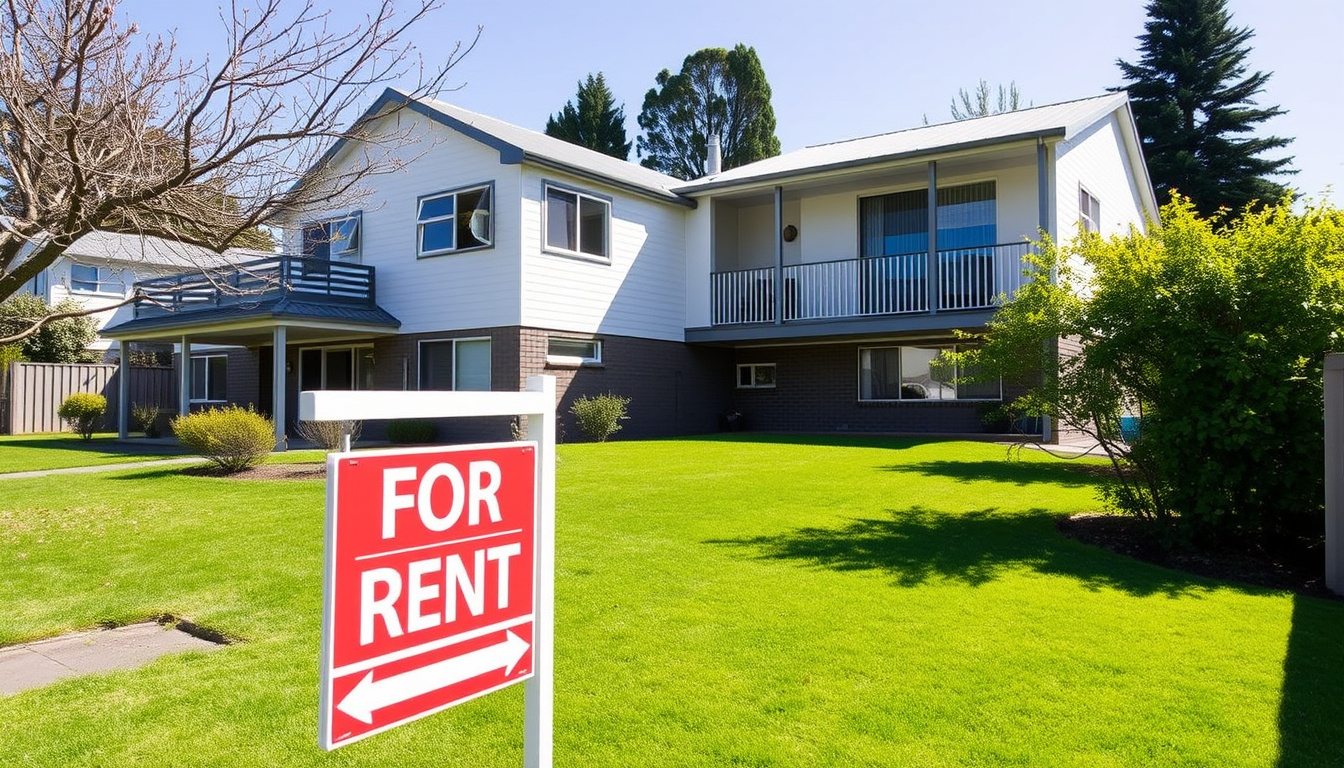
Anyone who’s spent a weekend scrolling through rental listings knows the feeling: too many tabs, too little clarity. In Whangarei, Trade Me currently lists 188 properties for rent, from compact apartments to semi-rural houses, and knowing how to filter and compare — especially between private landlords and agencies — makes all the difference.
Total rentals on Trade Me in Whangarei: 188 ·
Apartments for rent: 19 ·
Rural houses for rent: 15 ·
Ray White listings: 22 ·
Harcourts listings: 18
Quick snapshot
- Wide range of sizes and prices (Trade Me (NZ property marketplace))
- Includes semi-rural properties (Trade Me rural houses category)
- 19 listings on Trade Me (Trade Me apartments page)
- Mostly in central Whangarei (Trade Me apartments page)
- Direct contact with owner (Central Property Management (NZ property advice))
- Potential for lower rent and flexibility (Central Property Management (NZ property advice))
- 15 rural houses listed separately (Trade Me rural houses for rent)
- Ideal for families or lifestyle seekers (Trade Me rural houses for rent)
Five numbers, one pattern: the Whangarei rental market on Trade Me is split between urban, suburban, and rural options, with agencies and private landlords both well represented.
| Category | Listings Available |
|---|---|
| Total Trade Me listings in Whangarei | 188 |
| Apartment listings | 19 |
| Rural house listings | 15 |
| Ray White listings | 22 |
| Harcourts listings | 18 |
How to Find Private Landlords on Trade Me in Whangarei?
Private landlords can offer more flexibility on rent and terms, but they’re not always easy to spot. On Trade Me, you can refine your search to show only listings from private landlords using the “Property manager” filter. Turn it off to see only owner-managed properties.
Using the search filters to show private listings
- On the Trade Me rentals page, look for the “Property manager” filter under “More filters”.
- Select “Private landlord” to exclude agency listings.
- Alternatively, scan listing descriptions for phrases like “direct from owner” or “private landlord”.
Reading the listing description for landlord type
Even without the filter, you can tell a private listing by the contact details — usually a personal phone number or email rather than a branded agency logo.
Central Property Management notes that private landlords often list with fewer formalities, so read the description carefully for any specific requirements.
Contacting the landlord directly
Once you’ve identified a private listing, reach out through the Trade Me message system or the phone number provided. Always verify the landlord’s identity before paying any deposit — check their name against property records if possible. Tenancy Services (NZ government tenancy authority) advises that a signed tenancy agreement must be provided before the tenancy starts.
Private landlords may skip the paperwork, but you still need a written agreement and a lodged bond. Skipping these steps can cost you later.
The implication: private listings can save you money on agency fees, but you trade professional oversight for direct negotiation. Know your rights before signing.
What Types of Rentals Are Available on Trade Me in Whangarei?
Trade Me organises Whangarei rentals into several categories, each with its own page. Here’s what you’ll find right now.
Houses for rent in Whangarei
Standard houses dominate the listings, with a mix of 2-, 3-, and 4-bedroom properties. Many are in suburbs like Kensington, Maunu, and Onerahi.
Apartments for rent in Whangarei
With 19 apartments currently listed, options are limited but concentrated in the central city. Most are one- or two-bedroom units.
Rural and semi-rural properties
If you’re after land, the separate rural houses category lists 15 properties, often with acreage and a separate title.
Cheap 2-bedroom houses
There’s no dedicated “cheap” filter, but you can sort by price low-to-high. Expect rents around $350–$450 per week for a basic 2-bedroom house in the suburbs, though prices vary.
Rural and semi-rural rentals often come with longer commute times and fewer amenities. Check internet coverage and road access before applying.
The pattern: Whangarei’s rental mix favours houses over apartments, and rural options are a genuine alternative for those willing to drive.
How to Compare Private vs. Agency Rentals in Whangarei?
Both private landlords and real estate agencies list on Trade Me, but the experience differs in several ways.
Pros and cons of private landlords
- Pros: often lower rent, fewer formalities, direct communication.
- Cons: less professional management, potential for slower repairs, no branch office to visit.
Pros and cons of real estate agencies
- Pros: professional property management, clear contracts, fast maintenance response.
- Cons: higher rent, application fees (if any), less flexibility on lease terms.
Which is better for long-term rentals?
For a stable long-term tenancy, an agency provides legal safeguards and consistent service. Tenancy Services emphasises that landlords must comply with the Residential Tenancies Act and healthy homes standards — agencies are more likely to be up to date. However, private landlords can offer more personal relationships and potentially lower rent, as Central Property Management points out: overpricing can cost more in vacant weeks than a slightly lower rent.
The trade-off: agencies give you peace of mind; private landlords give you bargaining power. Choose based on your tolerance for paperwork.
What Are the Average Rental Prices in Whangarei?
Trade Me does not publish official average rent data for Whangarei, but you can get a sense by scanning current listings. Prices vary widely by suburb and property type.
Average rent for a 2-bedroom house
Based on current Trade Me listings, a 2-bedroom house in central Whangarei ranges from $350 to $500 per week. Suburbs like Maunu and Onerahi tend to be cheaper than the city centre.
Average rent for an apartment
Apartments start around $300 per week for a studio and go up to $450 for a two-bedroom unit. Most are in the central city or nearby.
Price variations by suburb
Listing prices on Trade Me reflect the current market, but no official data is provided by the platform. For the most accurate picture, compare multiple listings in the same suburb and use the Tenancy Services market rent data tool.
What this means: without official averages, your best bet is to track listings over a few weeks and note the price trends. Don’t overpay for the first property you see.
How to Secure a Rental Property in Whangarei?
- Prepare your application documents
- Schedule viewings
- Pay the bond and first rent
- Sign the tenancy agreement
Preparing your application documents
You’ll need photo ID (passport or driver’s licence), proof of income (payslips or bank statements), and references from previous landlords or employers. Tenancy Services recommends keeping accurate records throughout the tenancy.
Scheduling viewings
Contact the listing person (private landlord or agency) to arrange a viewing. Be prompt — popular properties get snapped up fast. Bring your documents in case you decide to apply on the spot.
Paying the bond and first rent
If your application is accepted, you’ll pay a bond (usually four weeks’ rent) and the first week’s rent in advance. By law, the bond must be lodged with Tenancy Services within 23 working days.
Signing the tenancy agreement
Before moving in, both parties must sign a tenancy agreement that includes healthy homes compliance and insurance information. Tenancy Services states the agreement must be provided before the tenancy starts.
Tenants in Whangarei have strong legal protections. If a landlord tries to skip the bond or the written agreement, walk away — it’s not worth the risk.
For anyone renting in Whangarei, the process is standard New Zealand law. The key is to act fast, have your documents ready, and never hand over money without a signed contract.
Confirmed facts
- Trade Me has 188 rentals in Whangarei (Trade Me)
- 19 apartments are listed (Trade Me)
- 15 rural houses are listed (Trade Me)
- Listings from Ray White and Harcourts are available
What’s unclear
- Average rental price for a 2-bedroom house in Whangarei
- Number of pet-friendly rentals
- Exact availability of private landlord listings
Landlords must give tenants a signed tenancy agreement before the tenancy starts, and bond money must be receipted and lodged within 23 working days.
— Tenancy Services (NZ government tenancy authority)
Private landlords should research comparable properties in their suburb using Trade Me Property or Tenancy Services market rent data to avoid overpricing.
— Central Property Management (NZ property advice)
For a renter in Whangarei, the choice is clear: use Trade Me’s filters to find the right property type, verify the landlord’s credentials, and prepare your documents in advance. The market moves fast, and the best deals go to those who are organised and informed.
trademe.co.nz, trademe.co.nz, trademe.co.nz, trademe.co.nz, rsm.global, trademe.co.nz, tenancyiq.co.nz
For a broader look at available options, check out this guide on houses to rent in Whangarei from private landlords and agencies.
Frequently asked questions
How do I contact a landlord on Trade Me?
Use the “Ask a question” button on the listing page or call the phone number provided. For private landlords, a direct message works best.
Is it safe to rent from a private landlord?
Yes, as long as you verify their identity, get a signed tenancy agreement, and ensure the bond is lodged with Tenancy Services. Follow the same precautions as with any rental.
What documents do I need to rent a property in New Zealand?
Typically photo ID, proof of income (payslips or bank statements), and references from previous landlords or employers.
How to view a rental property in Whangarei?
Contact the landlord or agent to arrange a viewing. Be punctual and bring your documents if you plan to apply on the spot.
What are the tenant rights in New Zealand?
Tenants have the right to a safe, healthy home, a written tenancy agreement, and a lodged bond. Landlords must comply with the Residential Tenancies Act and healthy homes standards.
How much bond should I pay for a rental in Whangarei?
The bond is usually four weeks’ rent. It must be lodged with Tenancy Services within 23 working days of receipt.
Can I negotiate the rent with a private landlord?
Yes, private landlords are often open to negotiation. Use comparable listings on Trade Me to support your offer.
Comments
One response to “Trade Me Rentals Whangarei Houses, Apartments & Private Landlords”
[…] Trade Me Rentals Whangarei Houses, Apartments & Private Landlords […]